
Minimally Invasive Spine Surgery in Mexico City
Brain & Spine México



Patologías tratadas
Disc Herniation
Spinal disc herniation occurs when the gel-like material inside an intervertebral disc shifts and presses on nearby nerves.
Possible causes:
- Natural wear from aging.
- Repetitive movements.
- Traumatic injuries.
- Improper lifting of heavy objects.
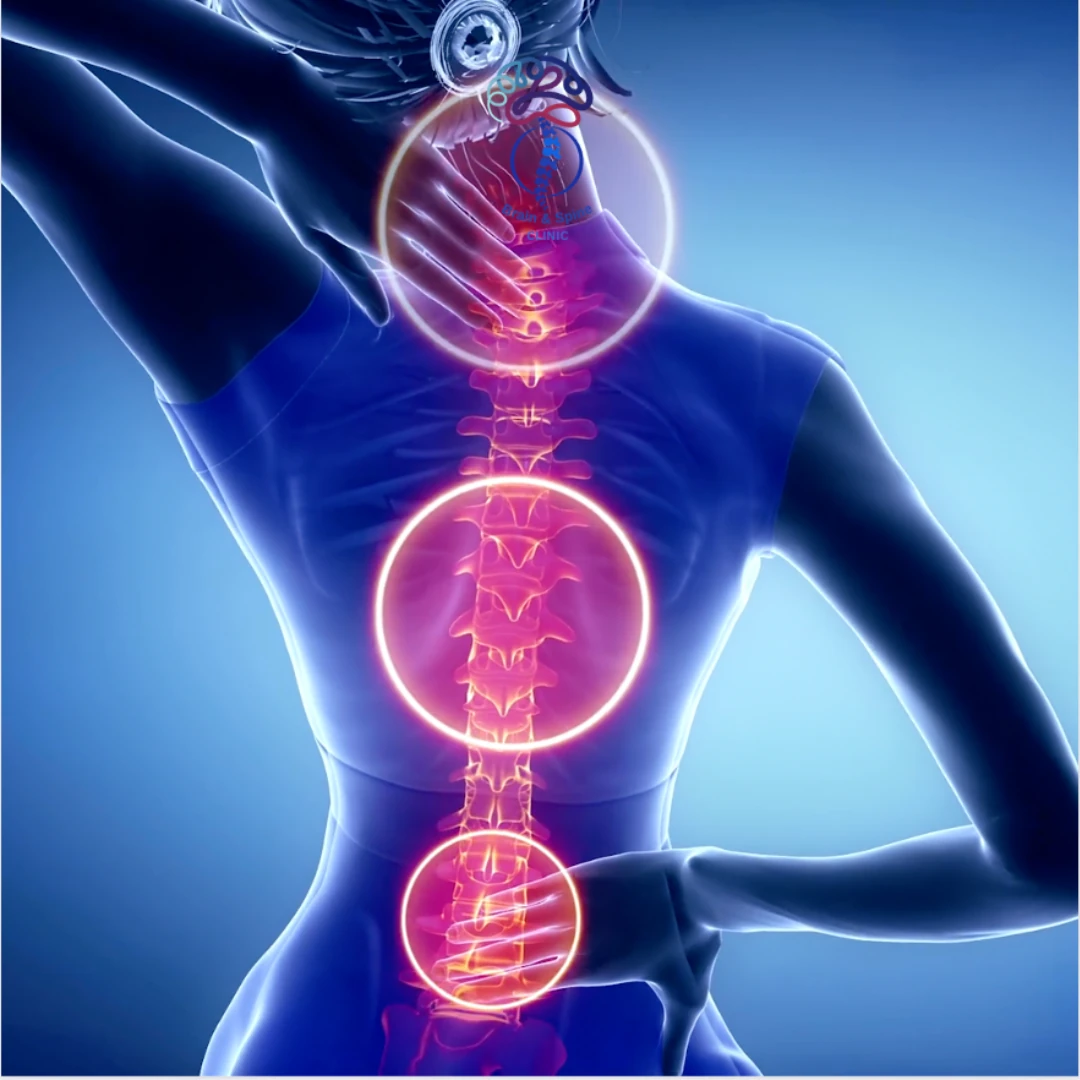
Scoliosis
Scoliosis is an abnormal curvature of the spine that may take on an "S" or "C" shape.
Possible causes:
- Unknown (idiopathic) in most cases.
- Neuromuscular conditions.
- Congenital malformations.
- Age-related degeneration.
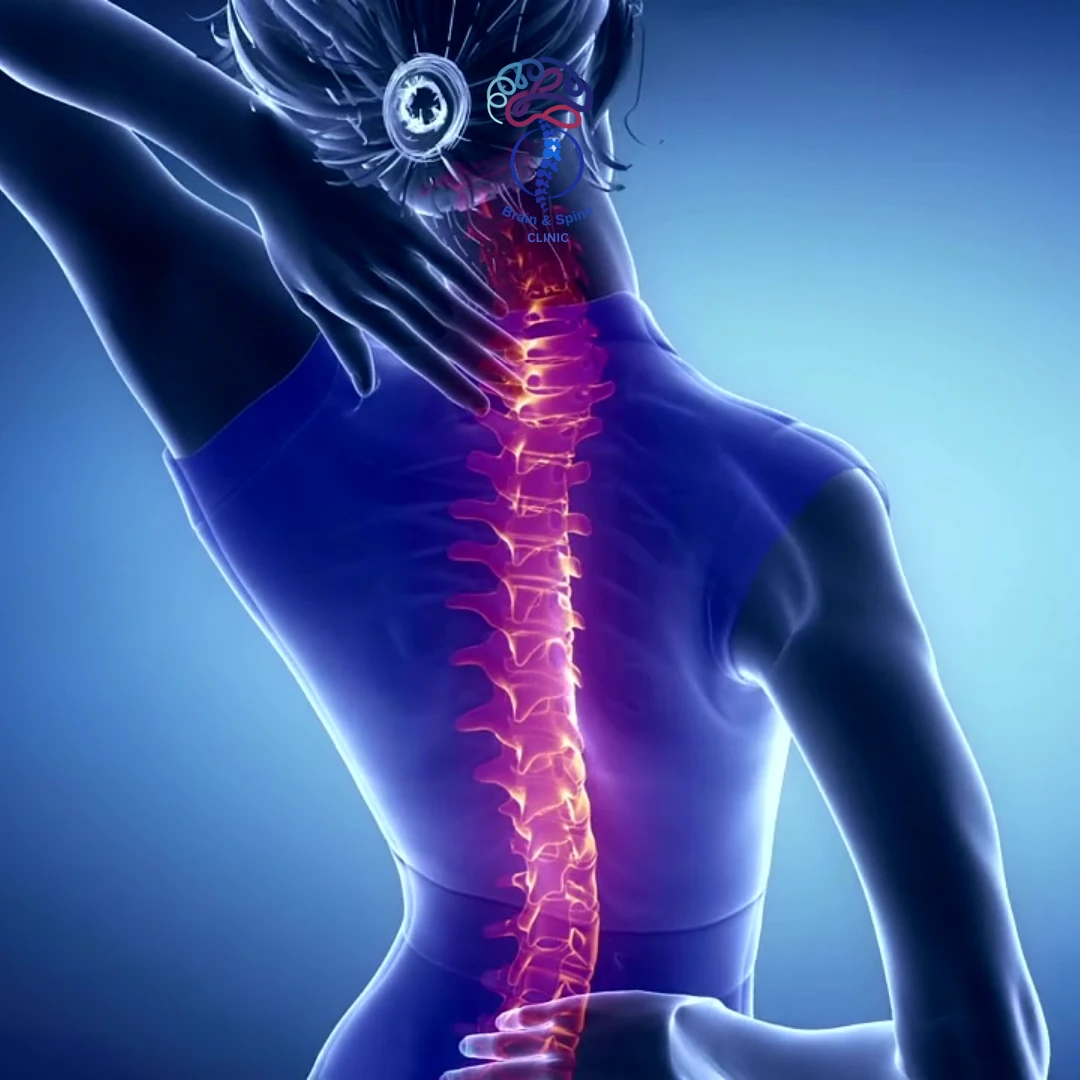
Fractures
Spinal fractures are breaks in one or more vertebrae of the spine.
Possible causes:
- Severe trauma (car accidents, falls).
- Osteoporosis.
- Sports injuries.
- Tumors that weaken bone structure.
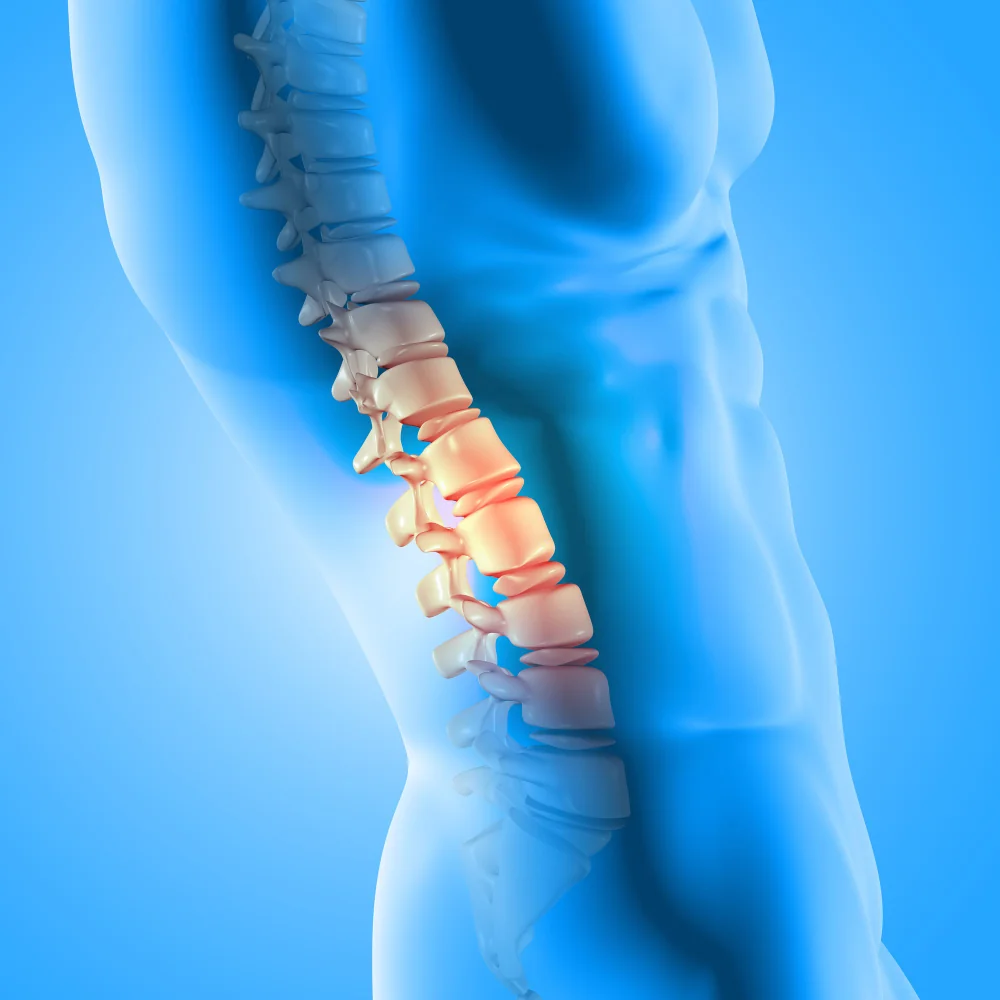
Spinal Tumors
Spinal tumors are abnormal growths of cells in or around the spinal cord.
Possible causes:
- Primary origin (originating in the spine).
- Metastasis from other cancers.
- Genetic factors.
- Radiation exposure.
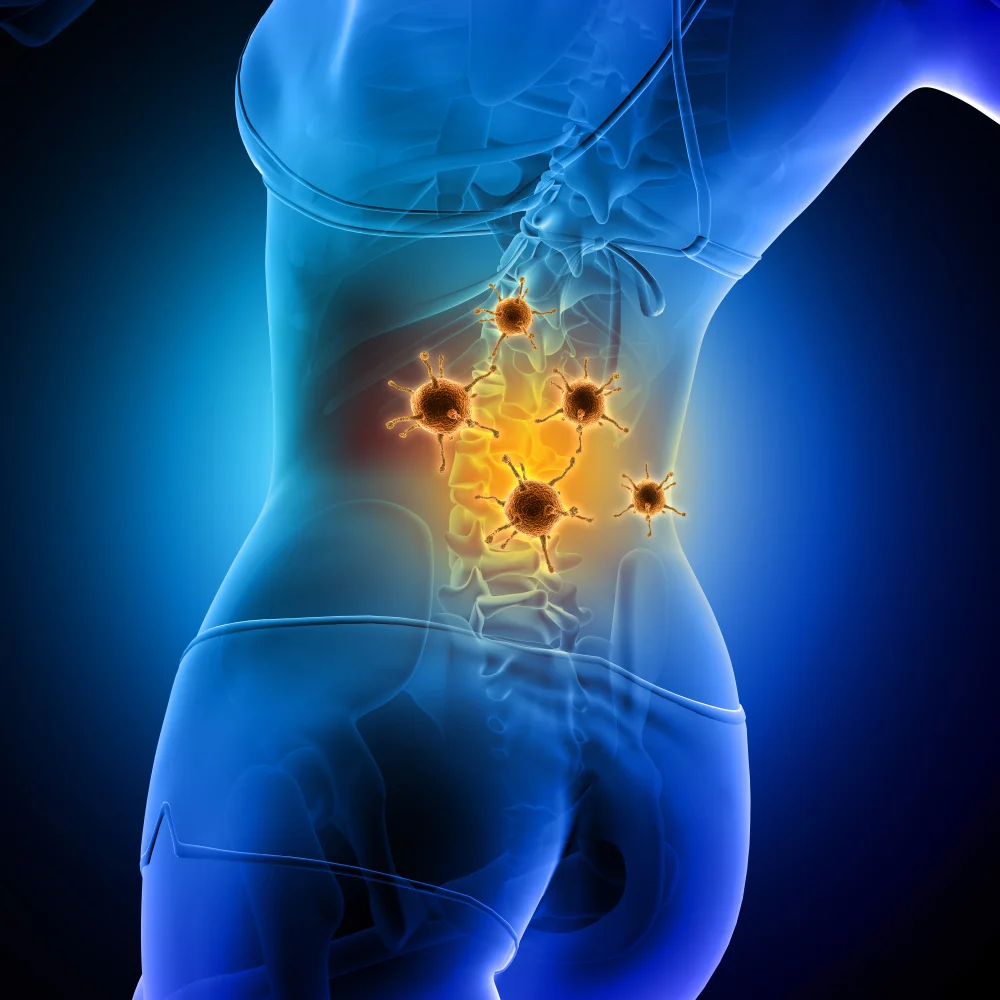
Chronic Pain
Chronic spinal pain is persistent pain in the spine lasting more than three months.
Possible causes:
- Disc herniation.
- Arthritis-related wear.
- Muscle and ligament problems.
- Previous injuries.
- Scoliosis or other spinal deformities.
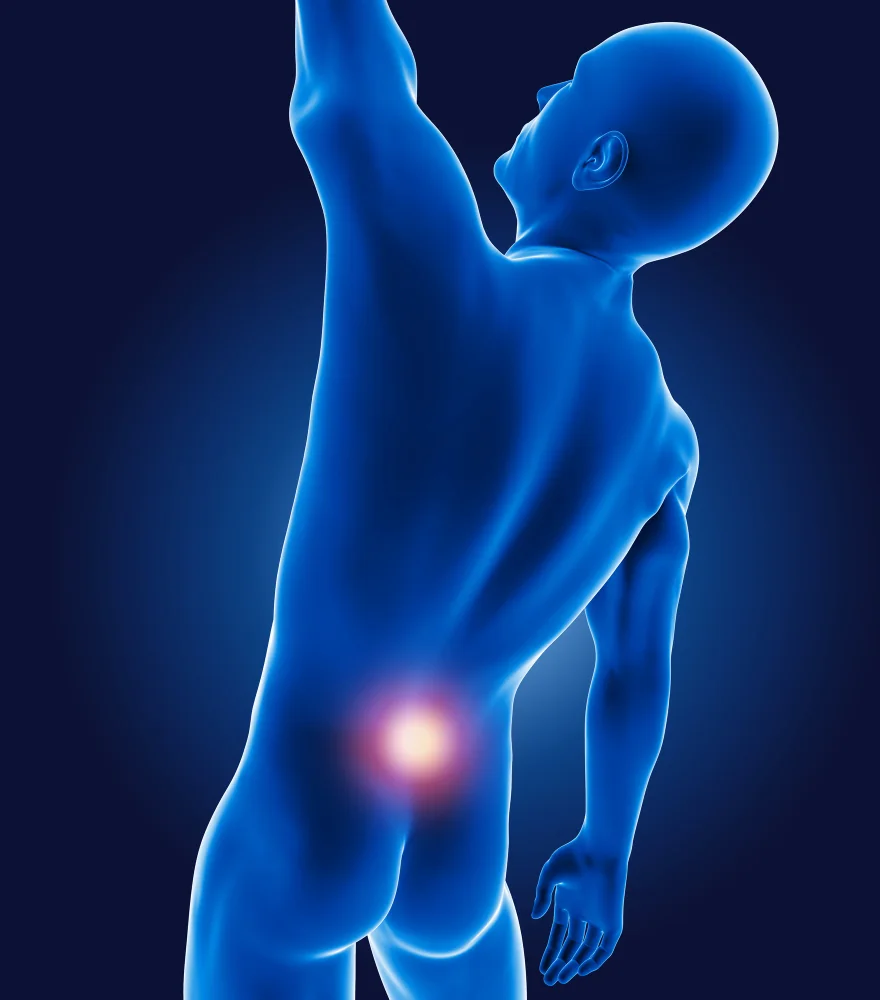
Endoscopic Spine Surgery
Endoscopic spine surgery is a minimally invasive technique that uses a camera and specialized tools to treat various spinal conditions through small incisions.
Advantages:
- Less tissue damage: Preserves muscles and ligaments.
- Faster recovery: Reduces hospitalization time.
- Lower complication risk: Less bleeding and infection risk.
- High precision: Allows treatment of specific areas with greater accuracy.
- Less post-operative pain: Compared to traditional surgeries.
Conditions treated:
- Disc herniation.
- Spinal stenosis.
- Nerve root compression.
- Specific injuries and fractures.
- Degenerative spinal problems.
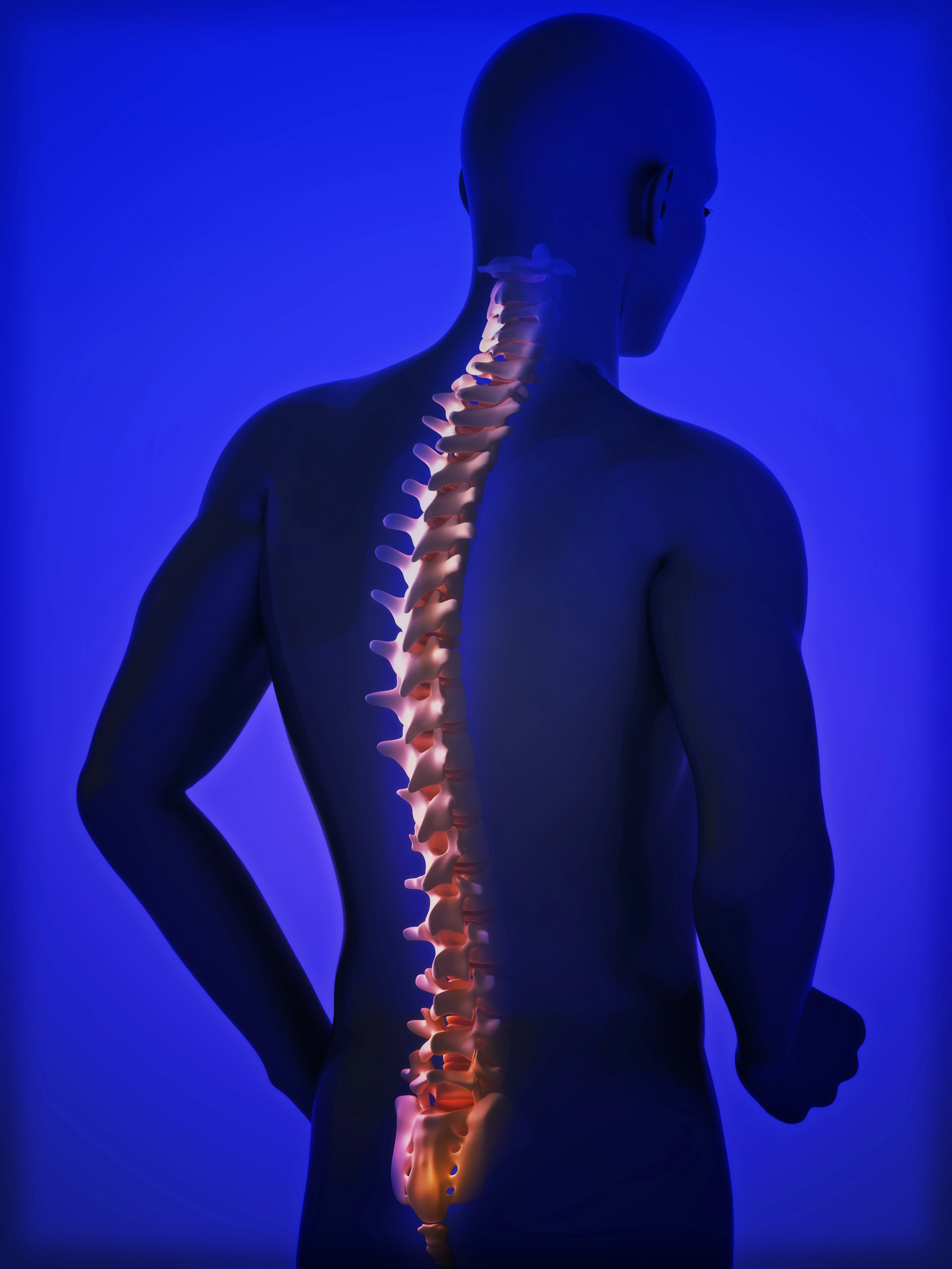
High-level Neurological Care — Experience and commitment to your spine and brain health