
Neurosurgery Blog
for Patients
Information on brain tumors, aneurysms, spine conditions and neurosurgery treatments, explained in clear terms for patients and families.

Why trust this information?
Reviewed by a board-certified neurosurgeon
All content is written and reviewed by Dr. Gerson Reyes, a neurosurgery specialist trained at top-tier institutions.
Evidence-based medicine
Articles are grounded in up-to-date scientific literature and neurosurgery clinical guidelines.
Written for patients and families
Clear, accessible language so you and your family can understand diagnoses and treatment options.
Periodically updated
Content is reviewed and updated to reflect the latest advances in neurosurgery.
Blog topics
Topics covered in this blog
- Brain tumors
- Meningiomas
- Pituitary adenomas
- Brain aneurysms
- Disc herniation
- Lumbar stenosis
- Trigeminal neuralgia
- Peripheral nerves
- Hydrocephalus
- Subdural hematoma
- Spondylolisthesis
- Minimally invasive neurosurgery
- Facial palsy
- Pediatric neurosurgery
Recent posts
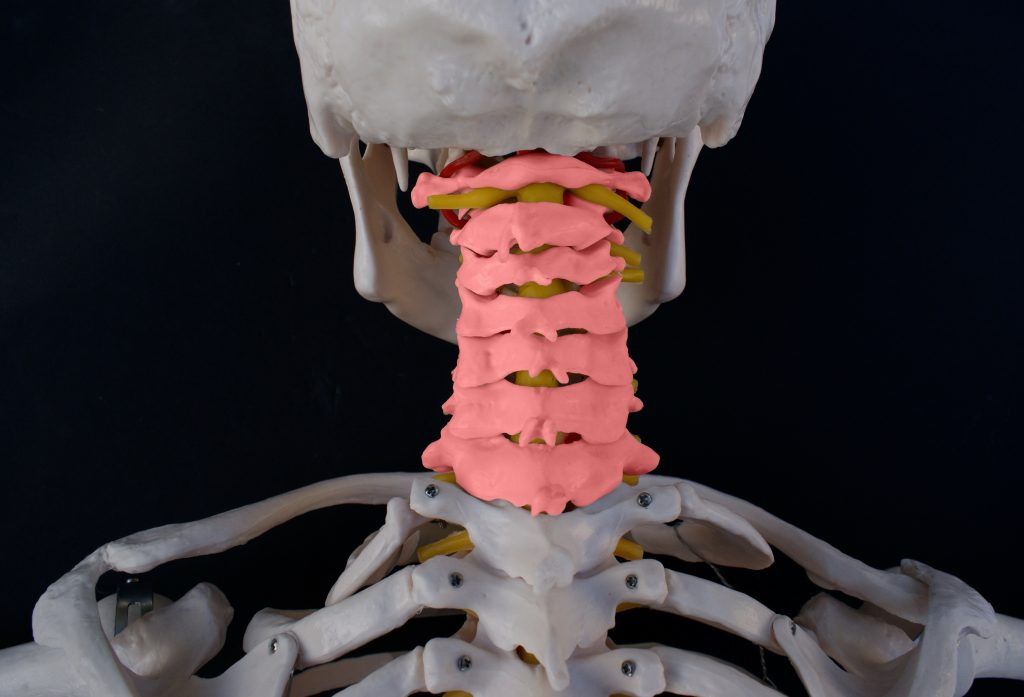
Posterior cervical foraminotomy: what it is, when it is indicated, and what recovery is like
Pain that starts in the neck and radiates toward the shoulder, arm, forearm, or hand may be due to...
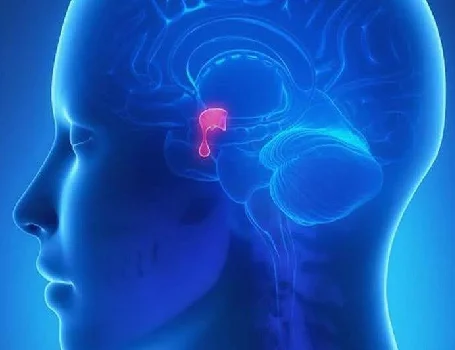
Meningiomas: What They Are, Symptoms, Diagnosis, and Treatment
Receiving a meningioma diagnosis can cause fear and uncertainty. However, it is important to know ...
Trigeminal neuralgia: symptoms, causes, and medical and surgical treatment options
Trigeminal neuralgia is a neurological condition that causes episodes of intense, sudden, and usua...
Tension-type headache and migraine: main causes, pathophysiology, treatment, and imaging studies
Headache is one of the most frequent reasons for medical consultation. In most cases it is due to ...
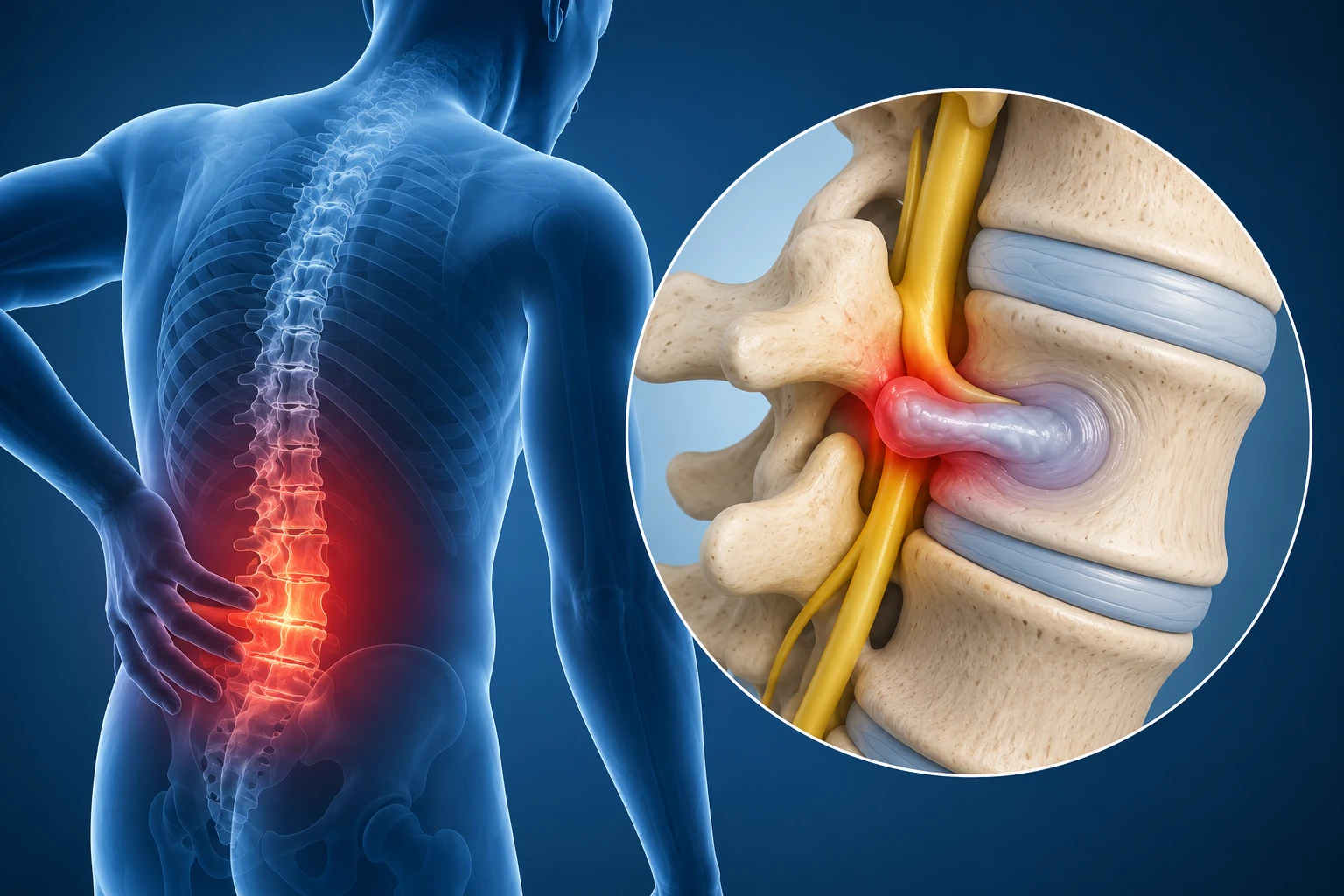
Endoscopic spine surgery for the treatment of lumbar disc herniation
Endoscopic spine surgery for the treatment of lumbar disc herniation Information f...
Lumbar spondylolisthesis: what it is, symptoms, and conservative, tubular, and endoscopic treatment options
Lumbar listhesis, also known as lumbar spondylolisthesis, occurs when a vertebra of the spine slip...
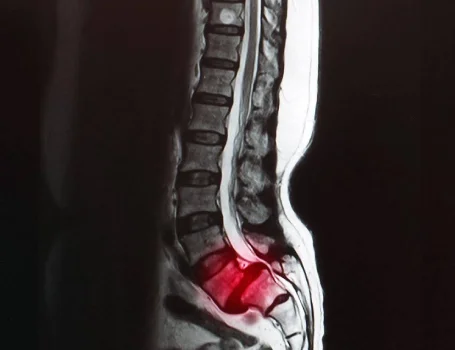
Understanding Spondylolisthesis: Information for Patients
Understanding Spondylolisthesis: Information for Patients---## What is spondylolisthesis? ...
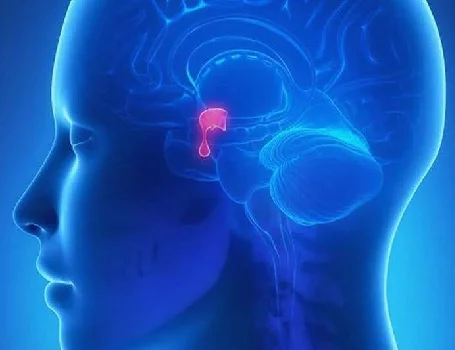
Understanding Brain Aneurysms: Important Information for Patients
Imagine a weakened blood vessel wall that bulges outward, like a small balloon. That is, in essenc...
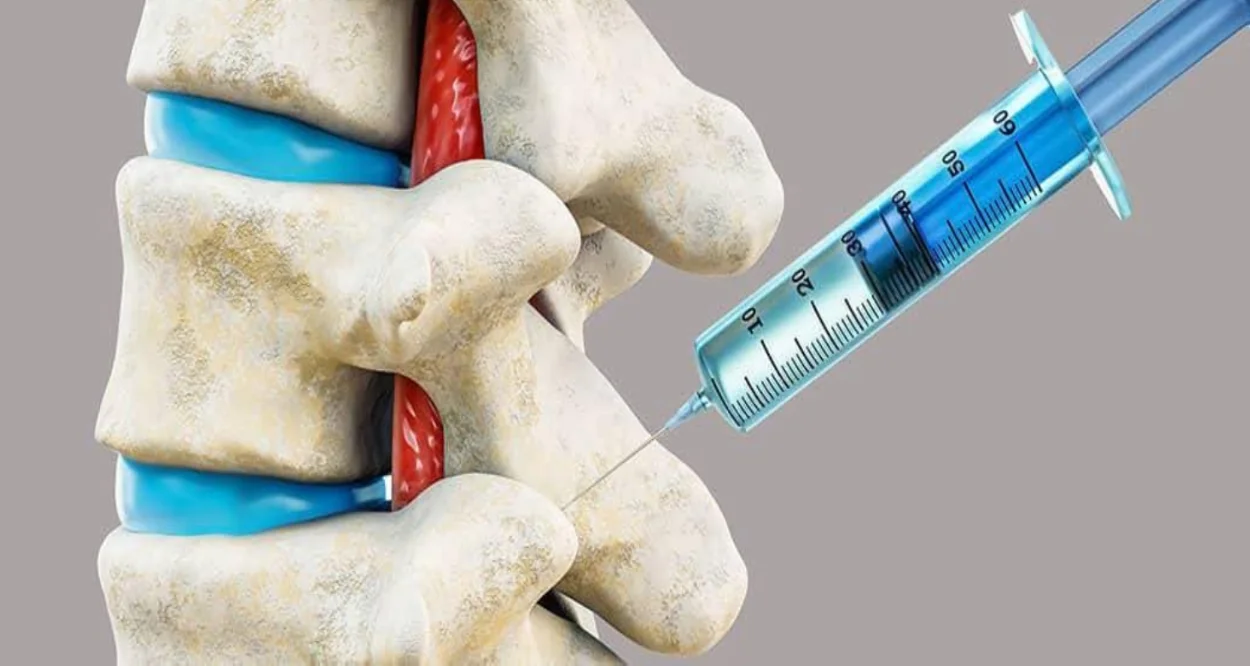
What is Facet Pain and How Can You Control It?
Today I want to talk about a topic that often causes confusion: facet pain. This type of pain can ...
Understanding Facial Paralysis: A Neurosurgical Perspective
What is facial paralysis?In essence, facial paralysis refers to the weakness or paralysi...
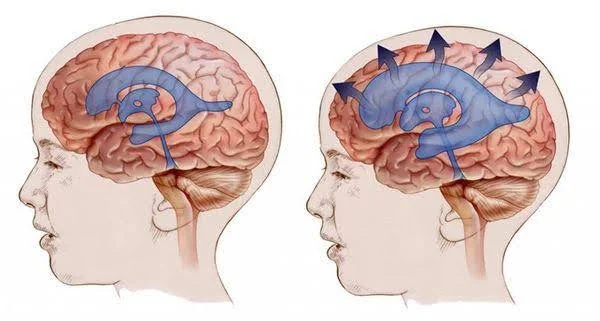
Hydrocephalus: Understanding Diagnosis and Treatment
Hydrocephalus is a condition that occurs when there is an abnormal accumulation of cerebrospinal f...
Intervertebral Disc Disease: Causes, Symptoms and Solutions
What Is Intervertebral Disc Disease?Intervertebral disc disease is a common condition af...
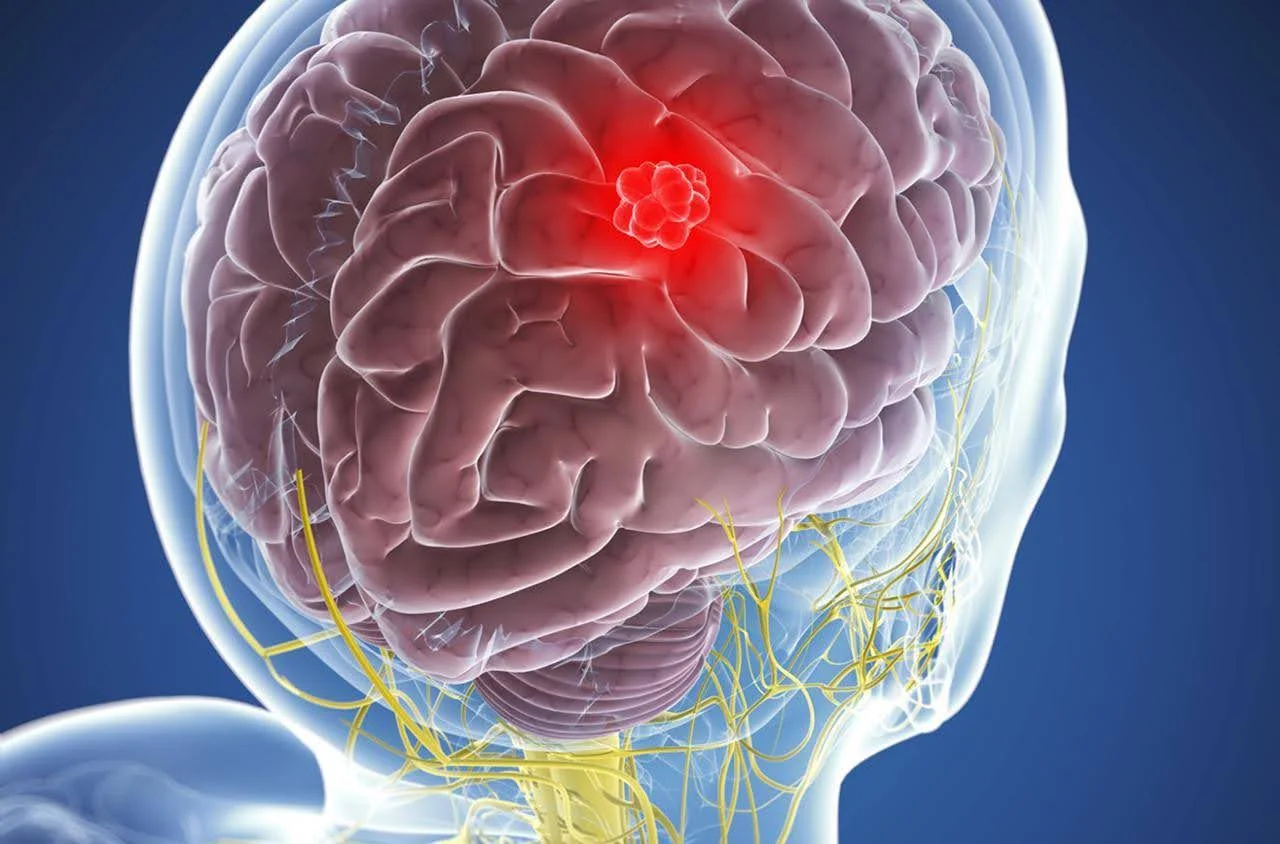
Meningioma: A Patient Guide
## What is a meningioma?A meningioma is a type of tumor that originates in the meninges, the m...
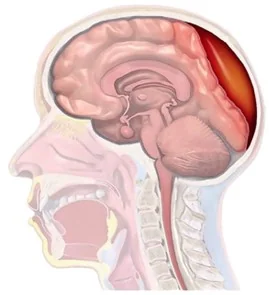
Subdural Hematoma: What You Need to Know
A subdural hematoma is an accumulation of blood in the subdural space, which is between the brain'...
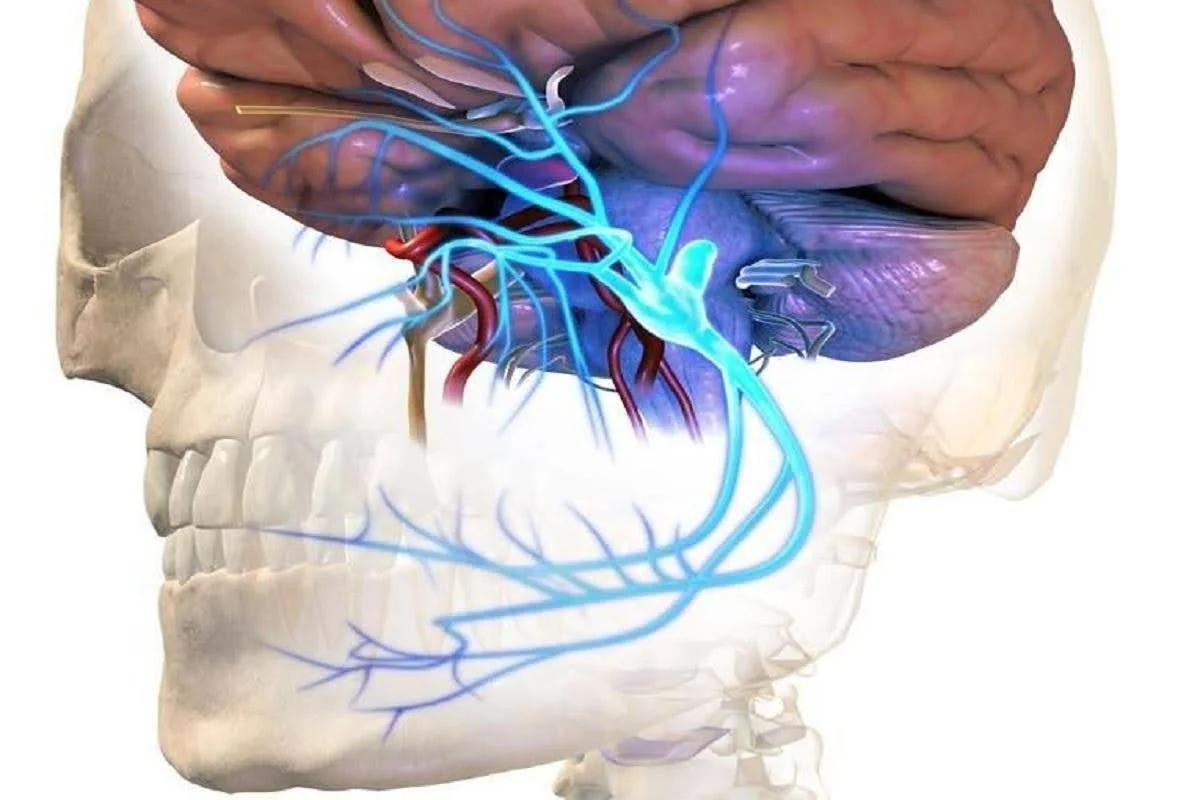
Trigeminal Neuralgia: A Clear and Reassuring Explanation
## What is trigeminal neuralgia?Trigeminal neuralgia is a disorder of the trigeminal nerve, re...
Pituitary Adenoma: Information for Patients
In this space, we'll discuss pituitary adenoma, a benign tumor that originates in the pituitary gla...
Sciatic Pain: What It Is and How to Control It
Sciatic pain is a common condition that affects the sciatic nerve, the longest and widest nerve in ...
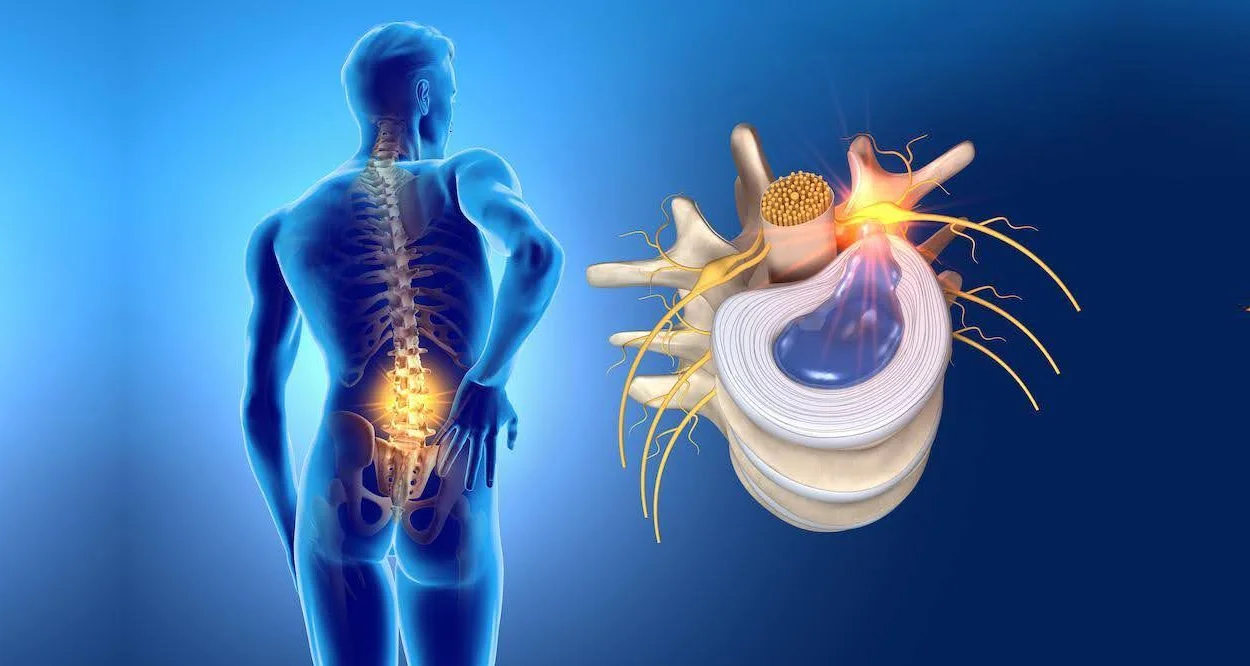
Disc Herniation: What It Is and How It Affects Your Health
## What is a herniated disc?The spine is made up of stacked vertebrae, separated by interverte...
Frequently Asked Questions
When is brain surgery necessary?
Brain surgery is indicated when a lesion —such as a tumor, aneurysm, or hematoma— causes symptoms or a life-threatening risk that cannot be effectively managed with medication. The neurosurgeon evaluates the location, size, and the patient's clinical condition before recommending the procedure.
How safe is minimally invasive neurosurgery?
Minimally invasive techniques allow access to deep brain or spine structures through small incisions, reducing bleeding, postoperative pain, and hospital stay. In the hands of a board-certified neurosurgeon, complication rates are significantly lower than with conventional open surgery.
How long does recovery take after spine surgery?
It depends on the procedure. A lumbar microdiscectomy may allow discharge within 24–48 hours with a gradual return to activity in 4–6 weeks. More extensive spinal fusions require 3–6 months of rehabilitation. The neurosurgeon will define an individualized recovery plan.
How is a brain tumor detected?
Diagnosis is confirmed through neuroimaging: MRI with and without contrast is the study of choice. Warning symptoms include persistent headache, seizures, vision changes, loss of strength, or speech disturbances. If any of these signs appear, it is important to consult a specialist promptly.
What is the difference between a neurologist and a neurosurgeon?
A neurologist diagnoses and treats nervous system diseases with medication, while a neurosurgeon performs surgical interventions on the brain, spine, and peripheral nerves. Both specialties are complementary: in many neurosurgical conditions, the patient is cared for by both specialists.