Tension-type headache and migraine: main causes, pathophysiology, treatment, and imaging studies
Headache is one of the most frequent reasons for medical consultation. In most cases it is due to benign causes, such as tension-type headache or migraine. However, some headaches can be a sign of more serious diseases and require urgent evaluation.
This article clearly explains what tension-type headache is, what migraine is, their most frequent causes, how they are treated, and when imaging studies such as CT or MRI may be needed.
What is tension-type headache?
Tension-type headache is one of the most common types of headache. It usually feels like pressure or a tight band around the head, forehead, temples, back of the head, or neck.
Unlike migraine, it generally does not cause intense nausea or vomiting, nor does it worsen much with physical activity. The pain is usually mild to moderate, although it can become frequent and affect quality of life.
What does tension-type headache feel like?
Patients usually describe it as pressure on both sides of the head, a sensation of a “tight helmet” or like a bandanna squeezing the whole skull, pain in the forehead, temples, back of the head, or neck, heaviness in the head, cervical muscle tightness, mild or moderate pain, and discomfort that can last from minutes to several days. It is generally not accompanied by vomiting and may appear at the end of the day or during periods of stress.
Main causes and triggers of tension-type headache
Tension-type headache does not always have a single cause. It is usually related to a combination of muscular, emotional, postural, and lifestyle factors.
- Emotional stress. Stress, anxiety, constant worry, or mental tension can increase muscle activity in the neck, jaw, and scalp.
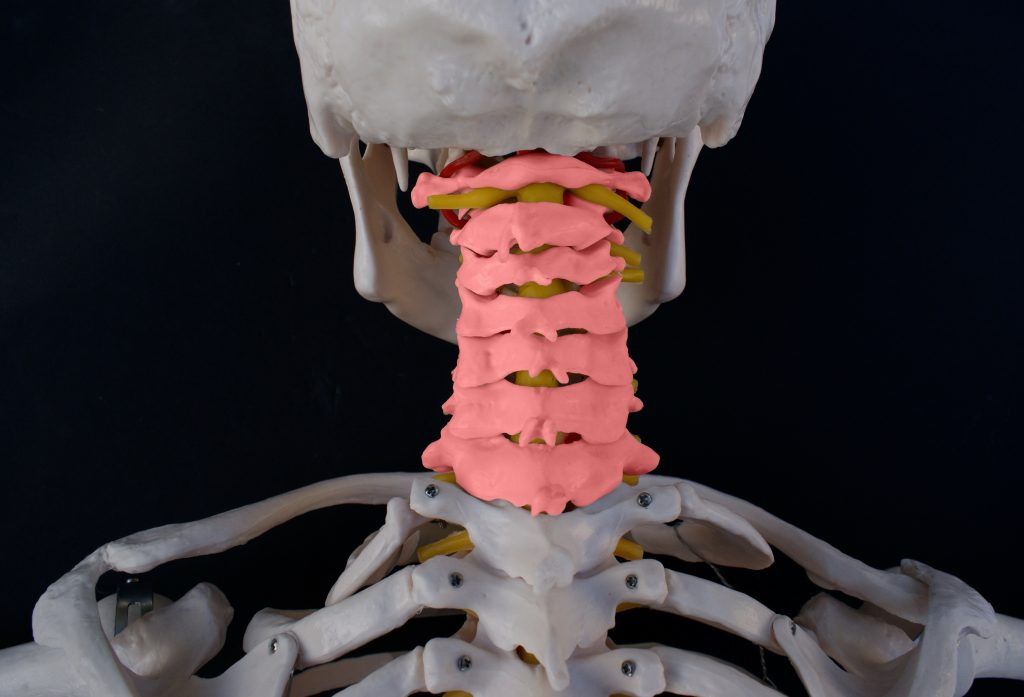
- Cervical muscle tightness. Tension in the muscles of the neck, shoulders, and back of the neck can contribute to the pain. This is common in people who work many hours in front of a computer, drive for long periods, or hold fixed postures.
- Poor posture. Tilting the neck forward from prolonged use of a phone or computer can overload the cervical musculature.
- Bruxism or jaw clenching. Clenching the teeth, grinding at night, or having jaw tension can cause pain in the temples, jaw, neck, and head.
- Lack of sleep. Sleeping little, sleeping poorly, or having irregular schedules can favor the onset of pain.
- Dehydration and prolonged fasting. Not drinking enough water or going many hours without eating can trigger headache in susceptible people.
- Eye strain. Spending many hours in front of screens, not wearing glasses when needed, or straining the eyes can contribute to frontal or temporal pain.
- Overuse of pain relievers. Taking headache medications too frequently can cause medication-overuse headache, creating a vicious cycle: the head hurts, a pain reliever is taken, the pain returns, and medication is taken again.
Conservative treatment of tension-type headache
Conservative treatment aims to reduce the frequency and intensity of the pain without relying solely on medications.
- Postural correction. Keeping the screen at eye level, supporting the back, avoiding slouching, and taking active breaks can reduce cervical tension.
- Cervical stretches. Gentle stretches of the neck, shoulders, and upper back can help, especially if the pain is associated with muscle tightness.
- Regular exercise. Walking, swimming, stationary cycling, or low-impact exercises can reduce stress and improve muscle health.
- Stress management. Techniques such as diaphragmatic breathing, meditation, muscle relaxation, psychological therapy, or rest breaks can help patients with chronic stress.
- Adequate sleep. Sleeping on a regular schedule, avoiding screens before bed, and improving sleep hygiene can reduce the frequency of pain.
- Hydration and nutrition. Drinking enough water and avoiding prolonged fasting can help prevent episodes.
- Physical therapy. It can be useful when there is cervical tightness, neck pain, poor posture, limited movement, or pain associated with muscle tension.
Medical treatment of tension-type headache
Treatment must be individualized. In mild or sporadic cases, the doctor may prescribe simple pain relievers or anti-inflammatories for short periods. Depending on the case, the following may be used: paracetamol, nonsteroidal anti-inflammatory drugs, muscle relaxants in selected cases, preventive treatment if the headache is very frequent, and management of anxiety, insomnia, or depression when they contribute to the problem.
Overuse of pain relievers is not recommended. If the patient needs to take medication many days a month, they should seek a medical evaluation to avoid medication-overuse headache.
What is migraine?
Migraine is a neurological disease, not just a “bad headache.” It can produce episodes of moderate to severe pain, usually pulsating, which can be accompanied by nausea, vomiting, light intolerance, noise intolerance, and worsening with physical activity.
It can affect one side of the head or both. Some people have preceding symptoms called aura, such as lights, spots, blurred vision, tingling, or difficulty speaking.
Frequent symptoms of migraine
Migraine can cause pulsating or throbbing pain, moderate or intense pain, pain on one side of the head or bilateral, nausea, vomiting, discomfort with light, noise, and smells, worsening with physical activity, a need to lie down in a dark room, fatigue before or after the episode, and difficulty concentrating.
Pathophysiology of migraine explained simply
Migraine occurs because the brain of some people is more sensitive to certain stimuli. It is not just about dilated blood vessels, as was previously thought. Today it is understood as a complex neurological disorder involving neurons, blood vessels, pain nerves, and inflammatory substances.
- Brain hyperexcitability. The migraine brain can react in an exaggerated way to stimuli such as stress, hormonal changes, intense lights, lack of sleep, fasting, alcohol, or certain foods.
- Trigeminovascular system. The trigeminal nerve participates in the sensation of the head and face. During a migraine attack, this system can be activated and send pain signals.
- Inflammatory substances and CGRP. During migraine, substances are released that promote inflammation around vessels and nerves. One of the most important is CGRP, which participates in the transmission of migraine pain. That is why there are modern treatments directed against CGRP or its receptor.
- Migraine aura. In some patients, aura appears before the pain. It is believed to be related to a wave of abnormal electrical activity that spreads across the cerebral cortex, which can explain visual, sensory, or language symptoms.
- Sensitization. When migraine recurs frequently, the nervous system can become more sensitive. This favors pain that is more frequent, lasts longer, or responds worse to treatment.
Main migraine triggers
Not all patients have the same triggers. Some frequent ones are lack of sleep, oversleeping, stress, relaxation after a lot of stress, prolonged fasting, dehydration, alcohol (especially red wine in some people), hormonal changes, intense or flickering lights, loud noises, intense smells, weather changes, excess or abrupt withdrawal of caffeine, certain foods in sensitive patients, unaccustomed intense exercise, and overuse of pain relievers.
Keeping a headache diary helps identify real patterns and triggers.
Conservative treatment of migraine
Conservative treatment is essential, even when medications are used. It is recommended to sleep on a regular schedule, since abrupt sleep changes can trigger attacks; eat on a consistent schedule and avoid prolonged fasting; maintain good hydration; perform moderate aerobic exercise progressively; manage stress with breathing, meditation, cognitive-behavioral therapy, muscle relaxation, and scheduled breaks; and avoid identified personal triggers. Recording the date, duration, intensity, symptoms, possible triggers, medications used, and response in a headache diary greatly helps with diagnosis and treatment.
Medical treatment of migraine
Medical treatment is divided into two large groups: acute treatment and preventive treatment.
A. Acute treatment
It is used when the attack begins. Its goal is to stop or reduce the attack. It may include:
- Pain relievers or anti-inflammatories. They can be useful in mild or moderate migraines, always under medical guidance and avoiding overuse.
- Triptans. These are migraine-specific medications. They can be used in moderate or severe migraines, or when common pain relievers do not work. Not all patients can use them, especially if they have certain cardiovascular diseases or uncontrolled hypertension.
- Antiemetics. They are used when there is nausea or vomiting. In addition to controlling these symptoms, some can help manage the attack.
- Gepants and ditans. These are more recent treatments for migraine in selected patients. They can be an option when other medications do not work or are contraindicated.
- Avoiding opioids. Opioids are not a first-line treatment for migraine and can favor dependence, poor response, and overuse headache.
B. Preventive treatment
It is considered when attacks are frequent, disabling, prolonged, do not respond well to acute treatment, or the patient uses pain relievers too frequently. It may include beta-blockers, selected antidepressants, anticonvulsants, botulinum toxin in chronic migraine, monoclonal antibodies against CGRP or its receptor, preventive gepants in selected patients, and management of associated sleep disorders, anxiety, depression, or bruxism.
The goal of preventive treatment is not always to eliminate migraine 100%, but to reduce frequency, intensity, duration, and disability.
Medication-overuse headache
A frequent cause of chronic headache is the overuse of pain medications. It can occur when pain relievers, anti-inflammatories, caffeine combinations, triptans, or other medications are taken too many days a month.
The patient may notice that they need more medication each time, that the pain appears almost daily, that relief lasts only briefly, that the pain returns when the effect wears off, and that the original headache becomes more frequent. If this occurs, the patient should see a doctor to make a safe plan for reduction, preventive treatment, and headache control.
When are imaging studies needed?
Not all headaches require CT or MRI. In patients with a typical history of migraine or tension-type headache, a normal neurological examination, and no warning signs, imaging is often not needed. However, imaging studies are important when there are findings suggesting a secondary cause.
Warning signs to request imaging or urgent evaluation
You should seek medical attention if you have a sudden, explosive headache or “the worst headache of my life”; a new headache after age 50; pain with fever, neck stiffness, or confusion; weakness, numbness, difficulty speaking, or vision loss; a seizure; pain after a blow to the head; progressive pain that keeps worsening; pain different from the usual; pain associated with cancer, immunosuppression, or infection; pain during pregnancy or postpartum; pain that worsens when lying down or with exertion; persistent vomiting; papilledema or suspicion of elevated intracranial pressure; pain associated with unexplained weight loss; a new headache in an anticoagulated patient; or a headache with altered consciousness.
What imaging study can be requested?
The choice depends on the clinical case.
- Brain CT. It can be useful in emergencies, especially when bleeding, trauma, hydrocephalus, an acute lesion, or a sudden severe headache is suspected. It is fast and widely available.
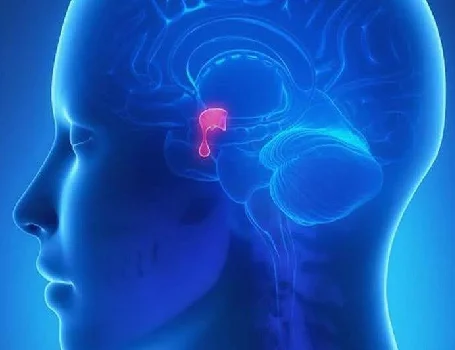
- Brain MRI. It allows the brain, meninges, pituitary gland, posterior fossa, and other structures to be seen in greater detail. It is usually preferred for progressive headaches, neurological symptoms, suspected tumor, inflammation, small lesions, or atypical non-urgent headaches.
- CT angiography or MR angiography. They are used when abnormalities of the blood vessels are suspected, such as aneurysms, vascular malformations, arterial dissection, or other vascular causes.
- MR or CT venography. It may be requested if cerebral venous thrombosis is suspected, especially in certain contexts such as pregnancy, postpartum, coagulation disorders, or headache with signs of elevated intracranial pressure.
- Cervical spine MRI. It may be considered if the headache is associated with significant neck pain, neurological symptoms in the arms, cervical trauma, suspected cervical pathology, or cervicogenic headache.
Practical differences between tension-type headache and migraine
Tension-type headache is usually a pressing pain, bilateral, mild to moderate, with a sensation of a tight band, associated with stress or muscle tension, without significant vomiting, and that does not worsen markedly with physical activity.
Migraine is usually a pulsating pain, moderate to severe, that may be one-sided, worsens with movement, is accompanied by nausea, vomiting, light, or noise, may have aura, and may disable the patient for hours or days.
It is important to remember that some people can have both types of headache.
When to see a specialist?
You should see a neurology or neurosurgery specialist if the pain is frequent or disabling, if you use pain relievers many days a month, if you have neurological symptoms, if the pain changes pattern, if there is a poor response to treatment, if the headache appears after a blow, if a structural problem is suspected, if there are abnormalities on imaging studies, or if you have warning signs.
Conclusion
Tension-type headache and migraine are frequent causes of headache. Tension-type headache is usually related to stress, muscle tightness, posture, sleep, and cervical tension. Migraine is a complex neurological disease involving brain hyperexcitability, the trigeminovascular system, CGRP, and, in some patients, aura.
Treatment should combine lifestyle changes, trigger identification, physical therapy when necessary, and appropriate medications. Not all patients require imaging studies, but there are warning signs that require medical evaluation and, in many cases, CT or MRI. A correct diagnosis avoids unnecessary treatments, reduces overuse of pain relievers, and helps improve quality of life.
Final message for the patient
Not every headache is dangerous, but not every headache should be ignored either. If your headache is intense, new, different, progressive, or accompanied by neurological symptoms, seek medical attention. Timely treatment can control the pain, prevent attacks, and detect in time diseases that require specialized management.
This text is informational and does not replace a personalized medical consultation.