Meningiomas: What They Are, Symptoms, Diagnosis, and Treatment
Receiving a meningioma diagnosis can cause fear and uncertainty. However, it is important to know that most meningiomas are slow-growing tumors and, in many cases, can be treated with good outcomes. Some may even require only periodic medical monitoring.
In this article, we will explain clearly and simply what a meningioma is, what symptoms it may cause, how it is diagnosed, and what current treatment options are available.
What is a meningioma?
A meningioma is a tumor that originates in the meninges, the membranes that cover and protect the brain and spinal cord.
Although many people associate the word “tumor” with cancer, most meningiomas are benign. This means they do not usually invade other organs or spread throughout the body. Even so, they can cause problems if they grow and compress important structures such as the brain, cranial nerves, spinal cord, or nerve roots.
Meningiomas can appear in different areas:
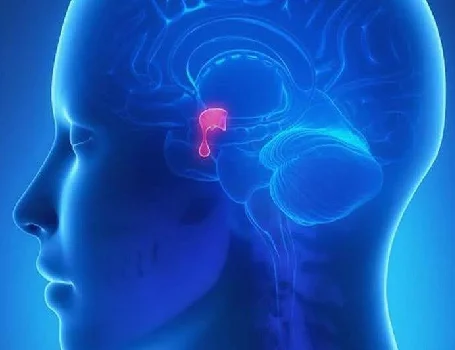
- Inside the skull, around the brain.
- At the base of the skull, near nerves related to vision, hearing, balance, or facial movement.
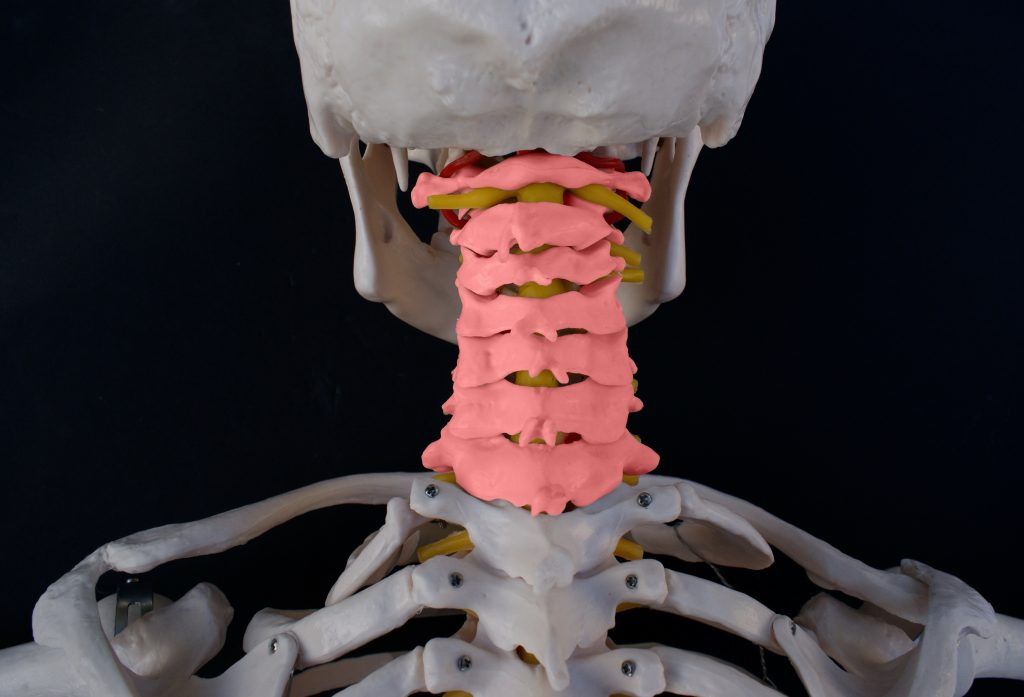
- In the spine, where they can compress the spinal cord or nerve roots.
- Near venous sinuses or important blood vessels.
Are all meningiomas dangerous?
No. Many meningiomas grow slowly and may remain stable for years. Some are discovered incidentally when a patient undergoes an MRI or CT scan for another reason.
The risk depends mainly on:
- The size of the tumor.
- Its location.
- The growth rate.
- The symptoms it produces.
- The patient’s age and general health.
- The tumor grade according to the pathology report.
- Whether it compresses the brain, spinal cord, nerves, or blood vessels.
Types of meningioma by behavior
After surgery or biopsy, the tissue can be analyzed by pathology to determine the grade of the meningioma.
Grade 1 meningioma
This is the most common type. It is generally benign and slow-growing. If it can be completely removed, the prognosis is usually favorable.
Grade 2 or atypical meningioma
It carries a higher risk of regrowth after treatment. It may require closer monitoring and, in some cases, radiation therapy following surgery.
Grade 3 or anaplastic meningioma
Less common but more aggressive. It usually requires combined treatment with surgery and radiation therapy, along with close follow-up.
What symptoms can a meningioma cause?
Symptoms depend on where the tumor is located. Some patients have no complaints, while others develop progressive symptoms.
Symptoms of brain meningiomas
A meningioma inside the skull may cause:
- Persistent or progressive headache.
- Seizures.
- Weakness in an arm or leg.
- Language difficulties.
- Changes in memory or concentration.
- Personality or behavioral changes.
- Vision problems.
- Ringing in the ears, hearing loss, or balance disturbances.
- Tingling or loss of sensation.
- Difficulty walking.
- Nausea or vomiting if there is increased pressure inside the skull.
Symptoms of spinal meningiomas
When a meningioma appears in the spine, it can compress the spinal cord or nerve roots. This may cause:
- Back or neck pain.
- Pain radiating to the arms, chest, or legs.
- Progressive weakness.
- Tingling or numbness.
- Stiffness or clumsiness when walking.
- Loss of balance.
- Difficulty climbing stairs.
- Urinary or bowel dysfunction in advanced cases.
Progressive neurological symptoms should be evaluated early, as prolonged compression of the spinal cord or nerves can leave lasting effects.
How is a meningioma diagnosed?
The most useful study is usually contrast-enhanced MRI, which allows detailed visualization of the tumor’s location and size, as well as its relationship to the brain, spinal cord, nerves, and blood vessels.
In some cases the following may also be requested:
- CT scan of the skull or spine.
- Angiography or vascular studies if the tumor is near important blood vessels.
- Full-spine MRI if a spinal lesion is suspected.
- Ophthalmological evaluation if there is visual involvement.
- Neurological and neurosurgical assessment.
- Preoperative workup if surgery is planned.
The definitive diagnosis of the type and grade of the meningioma is obtained through tissue analysis in pathology, usually after surgery.
What is the treatment for a meningioma?
Treatment must be individualized. Not all patients need immediate surgery. The decision depends on the size, location, symptoms, tumor growth, and the risks of the procedure.
1. Monitoring with MRI
Some small, asymptomatic meningiomas with no significant growth can be monitored with periodic imaging studies.
This option may be appropriate when:
- The tumor is small.
- It causes no symptoms.
- It was discovered incidentally.
- It does not compress important structures.
- The patient is elderly or has conditions that increase surgical risk.
- Growth is very slow or absent.
Monitoring does not mean “doing nothing.” It means observing the tumor in a controlled manner through MRI scans, medical consultations, and symptom assessment.
2. Surgery
Surgery is one of the main treatment options when the meningioma causes symptoms, is growing, compresses important structures, or has characteristics suggesting greater risk.
The goals of surgery are:
- Remove as much of the tumor as possible.
- Decompress the brain, spinal cord, or nerves.
- Obtain tissue to confirm the diagnosis.
- Preserve neurological function.
- Reduce the risk of future growth.
In some cases, the tumor can be completely removed. In others, if it is attached to blood vessels, nerves, venous sinuses, or delicate structures, it may be safer to leave a small portion to avoid neurological damage. That remnant can be monitored or subsequently treated with radiosurgery or radiation therapy.
3. Radiosurgery
Radiosurgery is a precise form of radiation directed at the tumor. It is not open surgery and requires no incision. It is frequently used for small tumors or tumor remnants located in areas where repeat surgery may be risky.
It may be considered in cases such as:
- Small tumors.
- Tumor remnants after surgery.
- Tumors in deep or delicate areas.
- Patients at high surgical risk.
- Tumors showing growth during monitoring.
Its main goal is to control tumor growth.
4. Fractionated radiation therapy
Fractionated radiation therapy delivers radiation over several sessions. It may be indicated when the tumor is larger, is near sensitive structures, or carries a higher risk of recurrence.
It may be used:
- After subtotal surgery.
- In atypical or anaplastic meningiomas.
- When the tumor regrows.
- When surgery is not possible or carries too much risk.
- In lesions near delicate structures such as the optic nerves or brainstem.
5. Medications and systemic treatments
Currently, medications are not usually the primary treatment for most meningiomas. In complex, recurrent, or aggressive cases, the medical team may consider special treatments, molecular studies, or enrollment in research protocols.
Management should be decided by a multidisciplinary team that may include specialists in neurosurgery, neurology, oncology, radiation oncology, neuroradiology, and rehabilitation.
What happens after surgery?
After meningioma surgery, the patient typically requires monitoring with MRI scans. The frequency depends on the tumor grade, whether it was completely or partially removed, and whether radiation therapy was necessary.
Recovery may include:
- Pain management.
- Management of brain or spinal inflammation.
- Antiseizure medications if seizures occurred.
- Physical therapy or rehabilitation.
- Occupational therapy.
- Visual, auditory, or neuropsychological evaluation if needed.
- Neurosurgical follow-up.
Some patients recover quickly. Others need weeks or months, especially if they had weakness, gait disturbances, or spinal cord compression before surgery.
Can a meningioma grow back?
Yes. Some meningiomas can regrow, especially if complete removal was not possible or if they are grade 2 or 3.
For this reason, it is important to continue medical follow-up even when the patient feels well. Follow-up MRI scans allow changes to be detected before significant symptoms appear.
Warning signs
Seek immediate medical attention if you experience:
- A seizure for the first time.
- Severe, new, or progressive headache.
- Sudden loss of strength.
- Difficulty speaking.
- Sudden vision loss.
- Confusion or marked drowsiness.
- Persistent vomiting associated with headache.
- Progressive difficulty walking.
- Loss of bladder or bowel control.
- Progressive weakness or numbness in arms or legs.
Frequently asked questions
Is a meningioma cancer?
In most cases, no. Many meningiomas are benign. However, even a benign tumor can cause symptoms if it compresses the brain, spinal cord, or nerves.
Is surgery always needed?
No. Some small, asymptomatic meningiomas can be monitored with MRI scans. Surgery is considered when there are symptoms, growth, compression, or neurological risk.
Does surgery cure a meningioma?
In many cases, if the tumor is completely removed and is low grade, control can be excellent. However, some tumors may regrow, so follow-up is essential.
What specialist treats meningiomas?
The primary specialist is usually the neurosurgeon. Depending on the case, neurologists, radiation oncologists, medical oncologists, neuroradiologists, and rehabilitation specialists may also be involved.
Can a spinal meningioma leave lasting effects?
Yes, especially if it compresses the spinal cord for a long time. That is why, when there is weakness, gait disturbance, or loss of sphincter control, evaluation should be performed early.
Prognosis
Most meningiomas are benign and slow-growing. Prognosis depends on their location, size, grade, growth rate, and the possibility of safe removal.
Early diagnosis, appropriate follow-up, and timely treatment can help preserve neurological function and improve quality of life.
Conclusion
Meningiomas are tumors that originate in the membranes covering the brain and spinal cord. Although most are benign, they can produce significant symptoms if they compress neurological structures.
Treatment can range from MRI monitoring to surgery, radiosurgery, or radiation therapy. The best decision depends on each patient’s characteristics and should be made through an individualized neurosurgical evaluation.
Having a meningioma does not necessarily mean having cancer or requiring immediate surgery. The most important thing is to understand its location, size, behavior, and relationship to neurological structures in order to choose the safest and most effective treatment for each case.
This text is informational and does not replace a personalized medical evaluation. If you have a meningioma or are experiencing neurological symptoms, consult a neurosurgery specialist.