Disc Herniation: What It Is and How It Affects Your Health
What is a herniated disc?
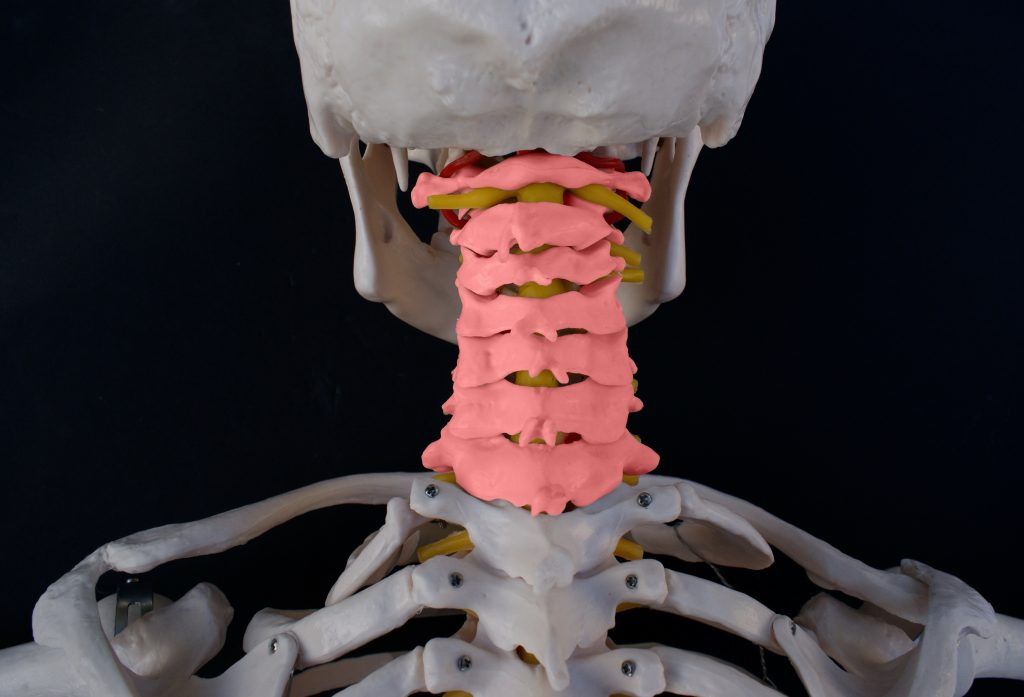
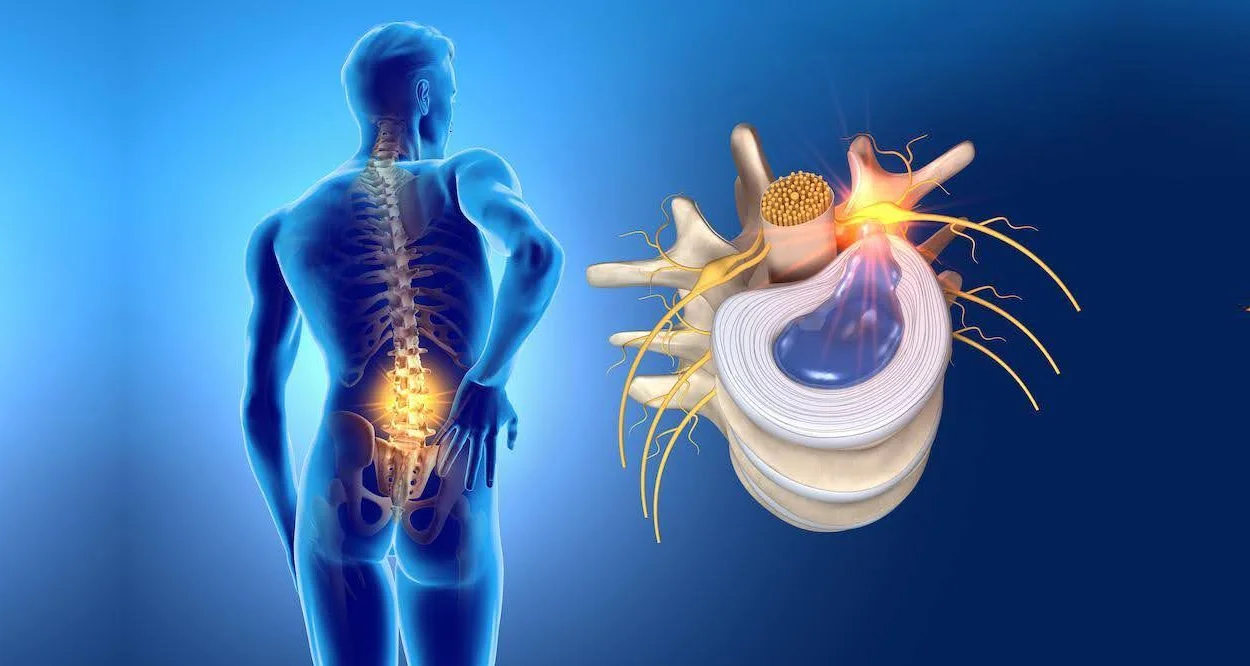
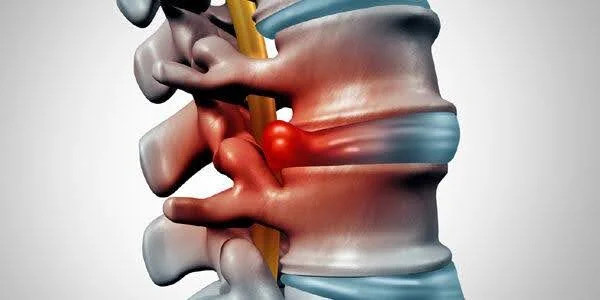
The spine is made up of stacked vertebrae, separated by intervertebral discs that act as shock absorbers. When one of these discs is damaged or displaced from its position, a herniated disc forms, and the gelatinous material from the nucleus can press on nearby nerves.
Causes and risk factors
- Age-related degeneration: Discs lose hydration and elasticity over time.
- Repetitive movements or excessive strain: Incorrectly lifting heavy objects or making sudden movements.
- Trauma: Accidents or falls that damage the disc.
- Genetic predisposition: Hereditary factors that weaken disc structure.
- Overweight, sedentary lifestyle, and smoking: Increase load on the spine and worsen disc health.
Common symptoms
- Localized pain: In the affected area (neck or lower back).
- Radiating pain: Extending to arms or legs.
- Numbness or tingling: Sensations in the extremities.
- Muscle weakness: Difficulty walking, gripping objects, or performing specific movements.
Diagnosis
- Physical examination: Assessment of reflexes, strength, and mobility.
- Imaging:
- Magnetic resonance imaging (MRI): Confirms herniation and measures its severity.
- Computed tomography (CT) or X-rays: Complement the study when necessary.
Treatment options
Conservative treatment
- Relative rest and activity modification.
- Analgesics and anti-inflammatories for pain relief.
- Physical therapy: Exercises to strengthen muscles and improve posture.
Medical interventions
- Epidural steroid injections: Reduce local inflammation.
- Surgery (discectomy): Removal of the herniated portion compressing the nerve; indicated if there is incontinence, progressive weakness, or intractable pain.
Prevention
- Maintain a healthy weight to reduce load on the spine.
- Regular exercise: Strengthen core and back muscles.
- Proper lifting technique: Bend knees and keep back straight.
- Avoid smoking: Improves disc nutrition.
When to consult a specialist?
Seek medical attention if:
- Pain persists for more than a few weeks.
- Weakness or numbness increases.
- Difficulties controlling bladder or bowels appear.
Timely detection and treatment are key to relieving pain and improving your quality of life.