Intervertebral Disc Disease: Causes, Symptoms and Solutions
What Is Intervertebral Disc Disease?
Intervertebral disc disease is a common condition affecting the spinal column, especially in people over 30. It occurs when the discs between the vertebrae begin to degenerate or wear out, losing elasticity and their ability to cushion spinal movements.
Imagine these discs as “shock absorbers” located between the vertebrae. Each disc has a gel-like core (nucleus pulposus) surrounded by a tougher fibrous ring (annulus fibrosus). When these “shock absorbers” lose their capacity to absorb impact, the spine becomes stiffer, painful, and more vulnerable.
What Causes Intervertebral Disc Disease?
Although disc wear is a natural aging process, it can accelerate due to:
- Natural aging: Discs lose water, elasticity and height over time.
- Injuries or trauma: Accidents, falls or sudden heavy lifting can damage discs.
- Repetitive movements: Jobs or sports requiring frequent bending, twisting or lifting.
- Obesity: Excess weight increases load on the spine and speeds disc wear.
- Sedentary lifestyle: Lack of physical activity weakens supportive spinal muscles.
- Smoking: Reduces blood flow to discs, impairing nutrition and repair.
- Genetics: Some people have a predisposition to disc degeneration.
Symptoms of Intervertebral Disc Disease
Symptoms depend on the disc’s degree of damage and location. Common signs include:
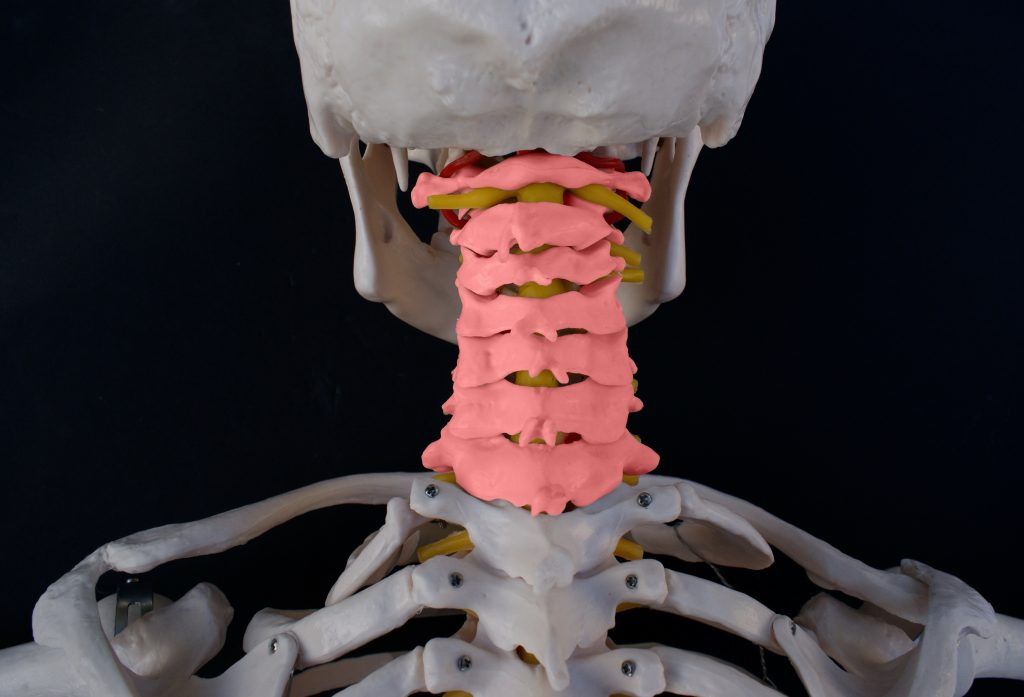
- Lower back (lumbar) or neck (cervical) pain.
- Radiating pain: May extend to buttocks, legs, arms or hands if nerves are compressed.
- Stiffness and limited movement: Especially when bending, standing or twisting.
- Tingling or numbness: Often in the limbs, indicating nerve involvement.
- Muscle weakness: Can hinder walking, lifting objects or maintaining posture.
Pain often worsens with prolonged sitting, lifting or repetitive movements.
How Is It Diagnosed?
If you experience these symptoms, see a specialist for:
- Clinical evaluation: Physical exam to assess pain, mobility and reflexes.
- Imaging studies:
- X‑rays: Detect structural spine issues.
- MRI: Best tool to evaluate disc condition and wear.
- CT scan: Provides detailed spinal images.
Treatment Options
-
Conservative treatment (first line):
- Physical therapy and rehabilitation: Personalized exercises to strengthen back and core muscles.
- Medications: Pain relievers, anti‑inflammatories and muscle relaxants.
- Hot/cold therapy: Reduces inflammation and relaxes muscles.
- Activity modification: Avoid movements that worsen pain.
-
Epidural injections: Corticosteroids injected at the affected site to reduce inflammation and pain; offers temporary relief.
-
Surgical treatment: Recommended when conservative measures fail or nerve compression is severe. Options include:
- Discectomy: Removal of the damaged disc portion to free the compressed nerve.
- Spinal fusion: Joining two vertebrae to stabilize the spine.
- Artificial disc replacement: Replacing the damaged disc with an implant that mimics its function.
Spine Care Tips
While aging can’t be stopped, you can lower your risk:
- Maintain good posture: Keep your back straight when sitting, walking or lifting.
- Exercise regularly: Strengthen muscles supporting your spine (core).
- Avoid overweight: Healthy weight reduces spinal load.
- Quit smoking: Improves circulation and disc nutrition.
- Take active breaks: Stand and stretch every hour if seated.
- Listen to your body: Seek professional help for persistent pain.
Conclusion
Intervertebral disc disease is common but treatable. With appropriate care and timely intervention, you can stay active and