Meningioma: A Patient Guide
What is a meningioma?
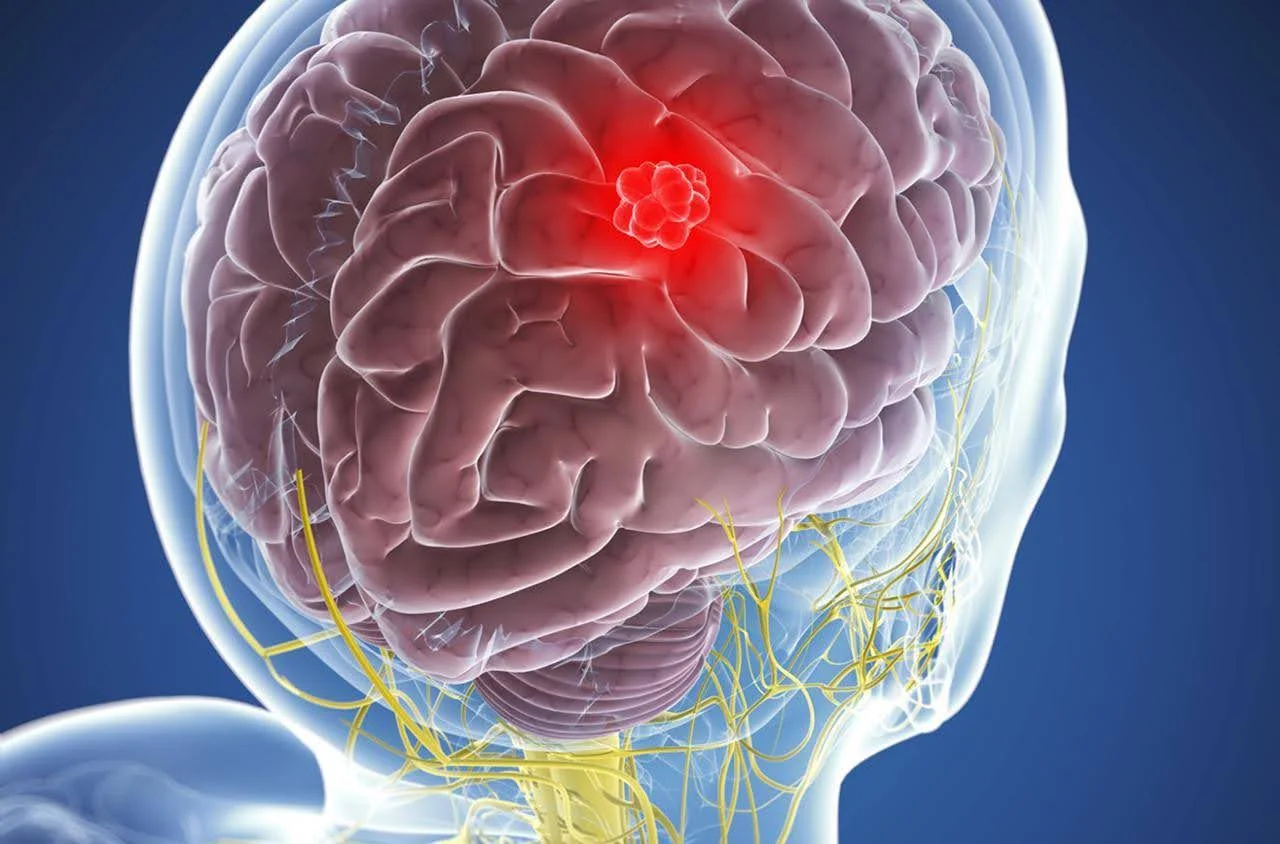
A meningioma is a type of tumor that originates in the meninges, the membranes that cover and protect the brain and spinal cord. Although most are benign and grow slowly, their location can cause symptoms depending on their size and pressure on adjacent structures. They represent 30-35% of primary brain tumors and are often detected incidentally in imaging studies.
Symptoms: When should we worry?
Symptoms appear gradually and depend on the location and size of the tumor. The most common are:
- Persistent headaches, which tend to worsen in the morning.
- Vision changes, such as vision loss or double vision.
- Seizures.
- Weakness or numbness in extremities.
- Personality changes or cognitive difficulties.
- Hearing loss or ringing in the ears.
- Loss of smell.
Seek emergency medical care if you experience sudden seizures or abrupt changes in vision or memory.
Causes and risk factors
In most cases, they are idiopathic (unknown origin), but there are associated factors:
- Age and gender: More common in women and people over 40.
- Genetics: Conditions like neurofibromatosis type 2 increase risk.
- Radiation: Previous exposure to radiotherapy to the head.
Diagnosis: How is a meningioma identified?
- Complete neurological examination to assess symptoms and clinical signs.
- Magnetic resonance imaging (MRI) with contrast: Main study to visualize size, location, and tumor characteristics.
- Computed tomography (CT): Useful if meningioma calcification is suspected.
- Biopsy: In some cases, to confirm histology and rule out malignant tumors.
Treatment: What options exist?
- Observation (active surveillance): For small, asymptomatic, and slow-growing meningiomas; includes periodic MRIs.
- Surgery: First option if the tumor produces symptoms or is accessible; maximum safe resection is sought.
- Radiotherapy: In incomplete resections or recurrences; controls tumor growth.
- Medical treatment: In select cases, drugs to control symptoms or slow progression.
Prognosis: What to expect?
Most benign meningiomas have an excellent prognosis after appropriate treatment. Atypical or malignant tumors, or those in critical areas, may require combined therapies and closer follow-up.
Conclusion
Although a meningioma diagnosis can be alarming, most are benign and manageable. My commitment as a neurosurgeon is to provide you with all the necessary information and support to make informed decisions. If you have questions or need personalized guidance, don’t hesitate to schedule your consultation.