Pituitary Adenoma: Information for Patients
In this space, we’ll discuss pituitary adenoma, a benign tumor that originates in the pituitary gland, a small gland located at the base of the brain. Although receiving a diagnosis of pituitary adenoma may seem frightening, in many cases these tumors are treatable and manageable. As a neurosurgeon, my goal is to provide clear and useful information to help you understand this condition concisely.
What is a pituitary adenoma?
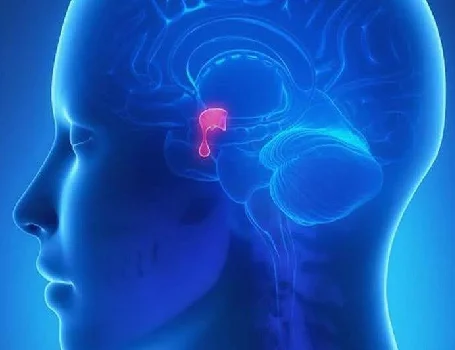
The pituitary, or pituitary gland, is a small “master gland” at the base of the brain that regulates multiple hormones. A pituitary adenoma is a benign (non-cancerous) tumor originating in the cells of this gland. Depending on the cell type, these adenomas can:
- Function actively and produce excess hormones (prolactin, GH, ACTH, TSH).
- Not secrete hormones, but grow and compress adjacent structures.
Why worry about a benign tumor?
-
Excessive hormone production (functional adenomas):
- High prolactin: Menstrual changes, galactorrhea, or erectile dysfunction.
- High GH: Acromegaly in adults, gigantism in children.
- High ACTH: Cushing’s syndrome (weight gain, hypertension, muscle weakness).
- High TSH: Hyperthyroidism.
-
Mass effect:
The growth of the adenoma can press on the optic nerve and adjacent structures, causing headaches and visual disturbances (visual field loss, double vision).
What are the most common symptoms?
- Persistent headaches.
- Visual problems (blurred vision, visual field loss).
- Fatigue and general weakness.
- Changes in menstrual cycles and galactorrhea (women).
- Erectile dysfunction (men).
- Abnormal growth of hands and feet (acromegaly).
- Unexplained weight gain.
- High blood pressure.
Note: These symptoms may be due to other causes; if you have several, consult your doctor.
How is it diagnosed and treated?
Diagnosis
- Physical and neurological examination to assess symptoms and optic function.
- Blood tests: Specific hormone levels.
- Magnetic resonance imaging (MRI) of the pituitary: Detection and characterization of the adenoma.
- Visual field test: Evaluates optic nerve involvement.
Treatment
- Medications: First line in prolactinomas; normalize hormones and reduce the adenoma.
- Transsphenoidal surgery: Nasal approach to resect large or resistant adenomas, especially if affecting vision.
- Radiation therapy: Controls residual or recurrent growth when surgery is not conclusive.
Prognosis
Most pituitary adenomas are benign and treatable. With the right approach, patients can normalize hormonal functions and maintain good quality of life.
Conclusion
Receiving a diagnosis of pituitary adenoma can cause concern, but these tumors are usually benign and manageable. The key is early diagnosis, a multidisciplinary team, and a personalized treatment plan. If you have doubts, consult your endocrinologist or neurosurgeon to make informed decisions about your health.