Trigeminal Neuralgia: A Clear and Reassuring Explanation
What is trigeminal neuralgia?
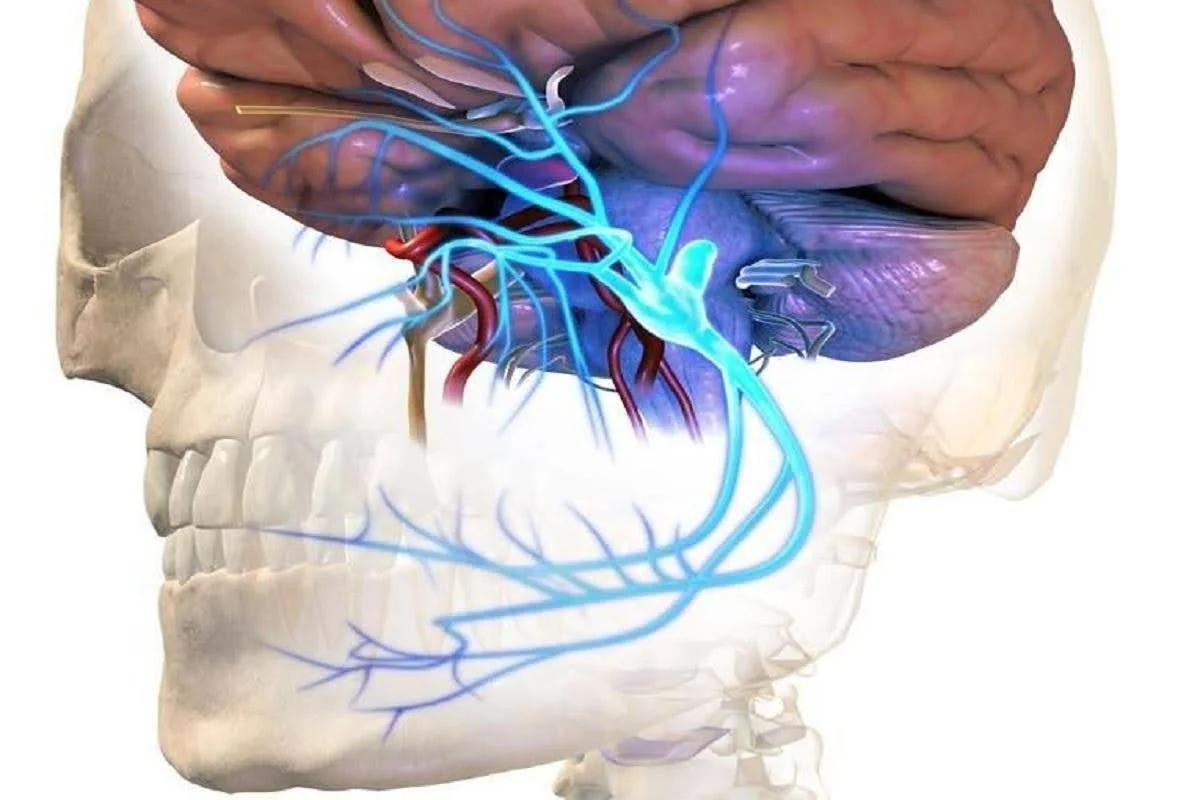
Trigeminal neuralgia is a disorder of the trigeminal nerve, responsible for transmitting sensations from the face to the brain. Its three branches cover the forehead, cheek, and jaw. In this condition, mild stimuli trigger intense and sharp pain, described as stabbing or burning, similar to an electric shock.
What causes this condition?
- Vascular compression: A blood vessel pressing on the nerve near the brainstem (most common cause).
- Multiple sclerosis: Nerve demyelination can trigger symptoms.
- Tumors or lesions: Nerve irritation by space-occupying mass.
- Idiopathic: When no specific cause is identified.
Main symptoms
- Sudden and sharp pain: Triggered by talking, chewing, or touching the face.
- Unilateral location: Affects one side of forehead, cheeks, or jaw.
- Brief duration: From seconds to minutes, in series throughout the day.
- Clear triggers: Wind, tooth brushing, or speaking.
Between attacks, pain may subside, although in severe cases it becomes constant.
Diagnosis: How do we confirm trigeminal neuralgia?
- Clinical evaluation: History of symptoms and detailed physical examination.
- Magnetic resonance imaging (MRI): Visualizes vascular compressions, tumors, or lesions.
- Additional neurological studies: To rule out other conditions.
Treatment options
- Pharmacological treatment: Anticonvulsants like carbamazepine or oxcarbazepine; complementary muscle relaxants and analgesics.
- Non-pharmacological therapies: Supportive physical and occupational therapy.
- Minimally invasive procedures: Microvascular decompression or radiofrequency to deactivate the painful part of the nerve.
- Stereotactic radiosurgery (Gamma Knife): Focused radiation to selectively damage the nerve and reduce pain.
Prognosis: What to expect?
With proper treatment, most patients experience significant or complete pain relief. A personalized approach, based on your symptoms and preferences, is key to success.
Conclusion
Trigeminal neuralgia can be debilitating, but there are multiple effective options to manage it and regain your quality of life. I’m here to answer your questions, guide you through each step, and offer you a treatment plan tailored to you. If you need more information or want to schedule a consultation, don’t hesitate to contact me.