What is Facet Pain and How Can You Control It?
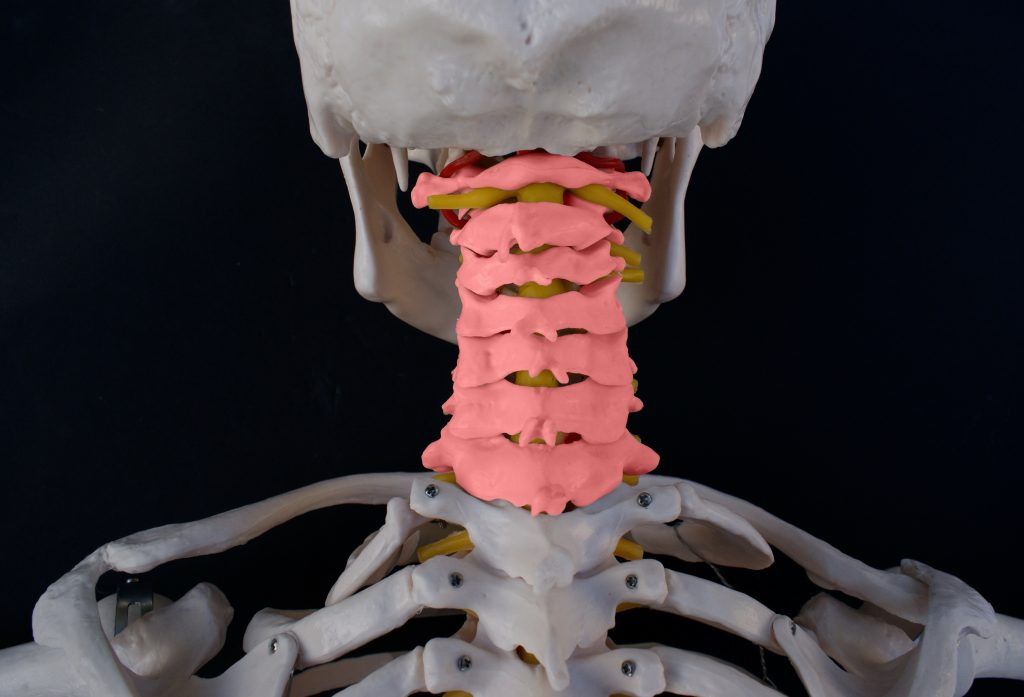
Today I want to talk about a topic that often causes confusion: facet pain. This type of pain can be quite bothersome, but understanding it can be the first step toward relief. Facet pain is a condition that originates in the facet joints, small hinge-like structures that connect the vertebrae of your spine. These joints allow movements such as turning, bending, and extending the back, while also providing stability. Over time, or due to injuries or overload, the joints can wear down or become inflamed, generating localized pain in the neck (cervical spine), middle back (thoracic spine), or lower back (lumbar spine).
What is facet pain?
Facet pain arises from inflammation or wear of the spine’s facet joints. These small joints facilitate and control movement between vertebrae, and when damaged, they cause localized pain when moving or supporting the spine.
What are the symptoms of facet pain?
- Localized pain: In the cervical, thoracic, or lumbar region, depending on the affected joint
- Stiffness: Especially upon waking or after sitting for long periods
- Pain with movement: When bending backward, turning the torso, or standing
- Referred pain: Can extend to buttocks, thighs, or shoulders, but not beyond knees or elbows
Common causes of facet pain
- Age-related wear: Articular cartilage deteriorates, generating friction and facet arthrosis
- Injuries or trauma: Accidents, falls, or sudden strains affect the joints
- Inflammatory diseases: Rheumatoid arthritis and other conditions that inflame the facets
- Poor posture: Maintaining bad posture for long periods increases joint pressure
How is it diagnosed?
Diagnosis begins with a complete medical history and physical examination. It is complemented by:
- Imaging tests: X-rays, CT scans, or magnetic resonance imaging
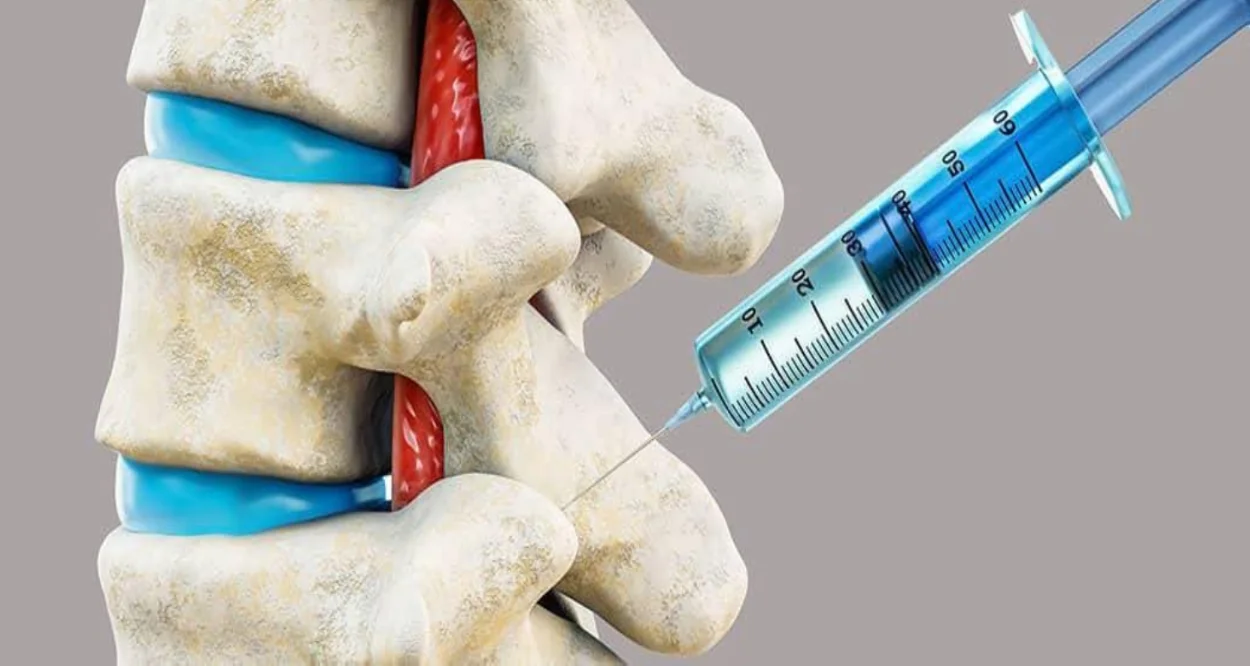
- Diagnostic blocks: Local anesthetic injections into facets; immediate relief confirms their role
Treatment options
1. Conservative treatments
- Medications: Analgesics, anti-inflammatories, and muscle relaxants
- Physical therapy: Exercises to strengthen muscular support and improve mobility
- Postural changes: Adjustments when sitting, standing, and lifting objects
2. Interventional treatments
- Facet blocks: Injections of anesthetic and corticosteroids for temporary relief
- Radiofrequency rhizotomy: Deactivates facet nerves that transmit pain
3. Surgery
Indicated in severe and resistant cases: surgical stabilization of the joints
Prevention and self-care
- Maintain good posture, especially if you work sitting down
- Control your weight to reduce load on the spine
- Perform low-impact exercise (yoga, pilates, swimming)
- When lifting objects, bend your knees and keep your back straight
- Avoid sedentary lifestyle: frequent movements and stretches
Conclusion
Facet pain can be debilitating, but it doesn’t have to control you. With an approach that combines lifestyle changes and personalized treatments, you can regain your quality of life. If you experience persistent pain, don’t hesitate to seek professional help. I’m here to support you!