
Spine
Spine diseases affect millions of people and are a leading cause of disability. From disc herniation to spinal stenosis, here you'll find guides to understand your diagnosis, conservative treatment options, and when to consider minimally invasive surgery.
4 articles in this category
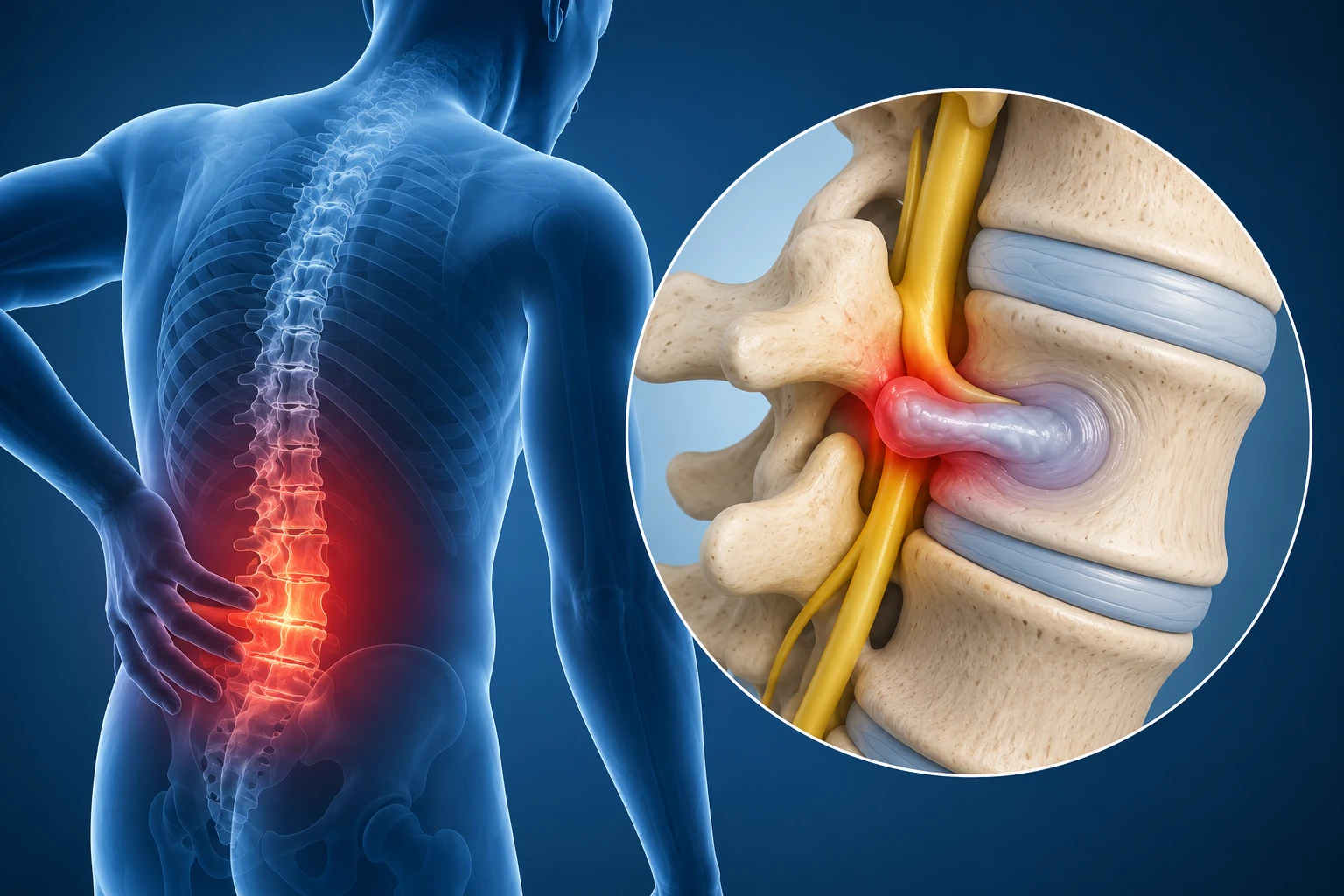
Endoscopic spine surgery for the treatment of lumbar disc herniation
Endoscopic spine surgery for the treatment of lumbar disc herniation Information f...
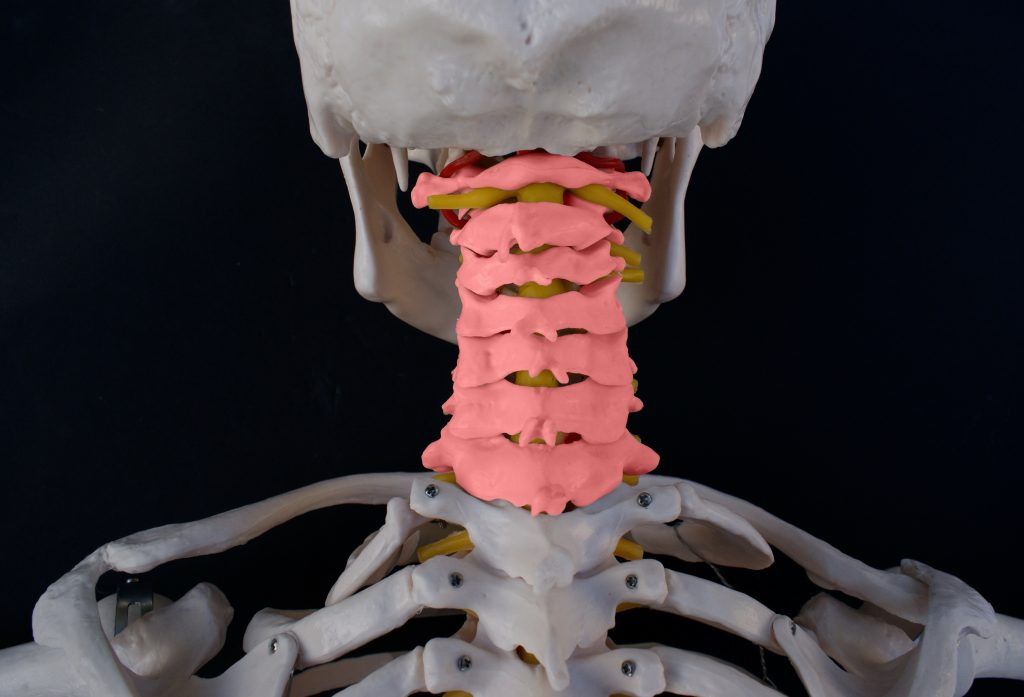
Posterior cervical foraminotomy: what it is, when it is indicated, and what recovery is like
Pain that starts in the neck and radiates toward the shoulder, arm, forearm, or hand may be due to...
Intervertebral Disc Disease: Causes, Symptoms and Solutions
What Is Intervertebral Disc Disease?Intervertebral disc disease is a common condition af...
Lumbar spondylolisthesis: what it is, symptoms, and conservative, tubular, and endoscopic treatment options
Lumbar listhesis, also known as lumbar spondylolisthesis, occurs when a vertebra of the spine slip...
Frequently asked questions about Spine
When is spine surgery necessary?
Surgery is considered when pain is disabling, doesn't respond to conservative treatment after 6–12 weeks, or when there are signs of severe nerve compression such as muscle weakness or loss of bladder/bowel control.
What is minimally invasive spine surgery?
It uses small incisions and specialized equipment to treat spine conditions with less tissue damage, less post-operative pain, and faster recovery.
Does a herniated disc always cause pain?
Not always. Many herniations are asymptomatic. Pain appears when the disc presses on a nerve. Initial treatment is usually conservative with physical therapy and medication.